What Are the Most Important Safety Standards for Structural Engineers in Israel?
Safety is a central component in the planning and execution of engineering projects. In Israel, there are several key standards that structural engineers must be familiar with and apply:
IS 413 – Structural Resistance to Earthquakes
This standard defines the design requirements for buildings to withstand earthquakes and prevent critical damage.
IS 466 – Reinforced and Precast Concrete Standards
A series of standards addressing concrete strength, material quality, and proper casting procedures to ensure structural stability.
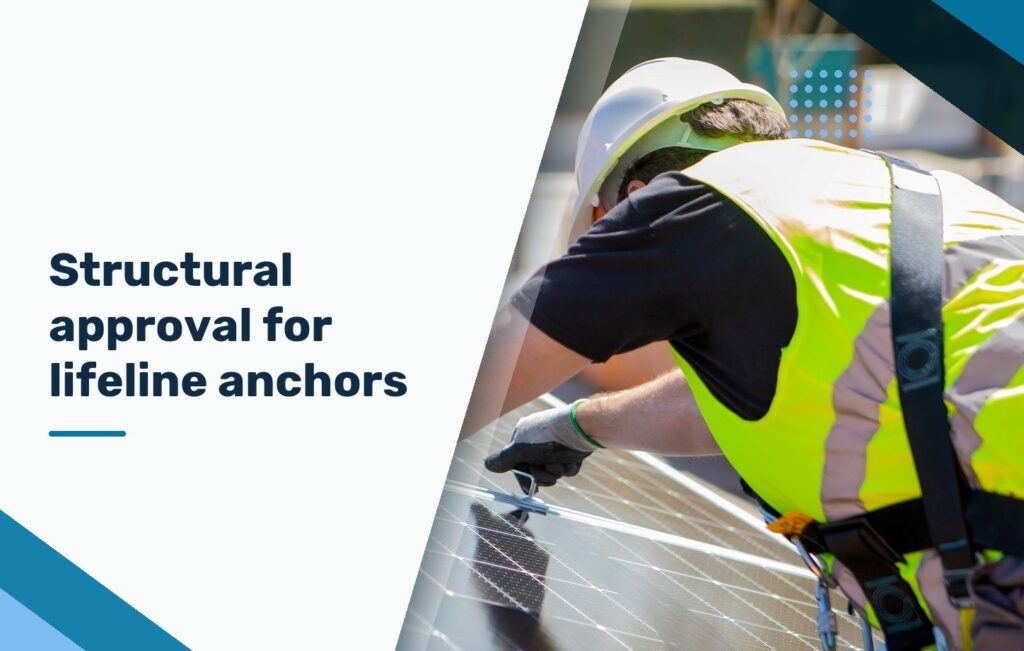
IS 1225 – Safety When Working at Heights
A critical standard for construction sites, providing guidelines for the use of scaffolding, personal protective equipment (PPE), and safe work procedures at heights.

IS 1923 – Structural Steel Quality Standard
This standard defines the criteria for steel used in construction, including strength requirements and suitability for various applications.
Construction Regulations – Engineering Supervision and Material Quality
Laws and regulations that mandate oversight by certified engineers over construction materials and work processes, ensuring compliance with safety and quality standards.
Building Collapse – What Are the Main Causes and How Can They Be Prevented?
Building collapse is often the result of design, execution, or maintenance failures. Here are the most common causes – and how to prevent them:
-
Low-Quality Materials – Using poor-quality concrete, weak steel, or non-standard materials can lead to structural failure.
Prevention: Implement strict quality control and conduct thorough material testing. - Unplanned Loads – Overloading the structure—such as parking garages bearing more weight than originally designed or adding construction without engineering approval—can cause instability.
Prevention: Perform accurate load calculations before making structural changes. - Design or Execution Errors – Mistakes in structural calculations or on-site errors—such as missing reinforcements or improper anchoring—can weaken a building.
Prevention: Adhere to approved engineering plans and ensure close construction supervision. - Poor Maintenance – Neglected older buildings may suffer from material wear and dangerous cracking.
Prevention: Schedule regular maintenance and periodic inspections by a structural engineer. - Natural Disasters – Earthquakes, floods, and strong winds can cause collapse if the building was not designed accordingly.
Prevention: Design structures according to strict safety standards, such as IS 413.
The Importance of Engineering Supervision in Commercial and Private Projects
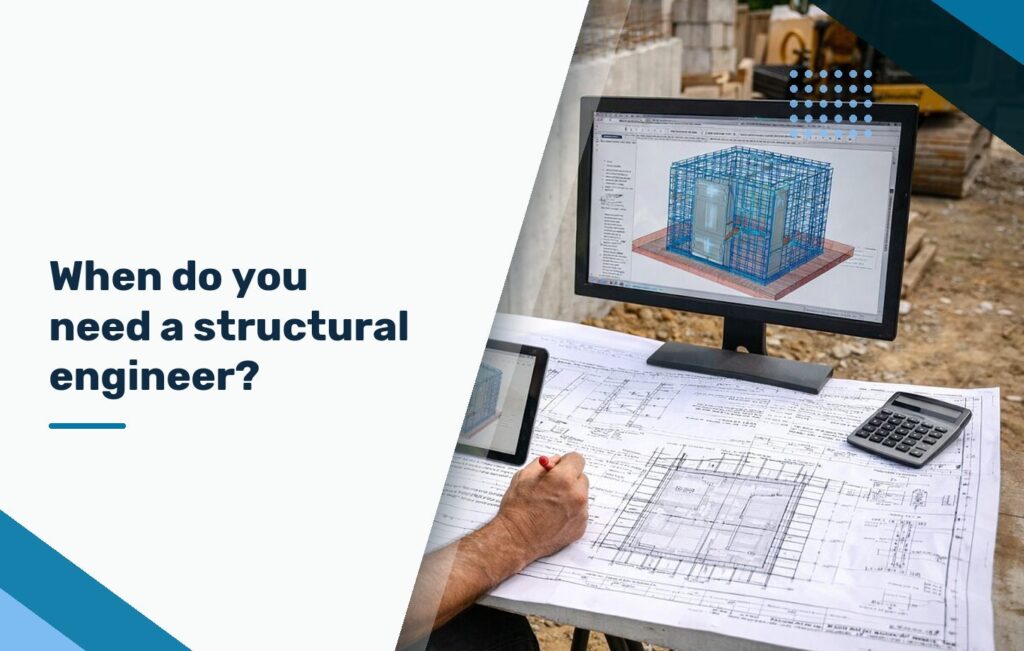
Engineering supervision plays a critical role in every construction project – whether it’s a residential building, office, or industrial facility:
- Compliance with Standards – Supervising engineers ensure that construction adheres to all relevant regulations, including fire safety, structural stability, and accessibility.
- Real-Time Issue Detection – Professional supervision enables early identification of construction defects, allowing them to be corrected before they escalate into serious problems.
- Prevention of Unauthorized Modifications – Adhering strictly to approved plans helps prevent structural changes that could compromise the building’s integrity.
- Safety for Workers and Residents – Enforcing strict safety protocols on-site protects workers and helps prevent serious accidents.
- Legal Compliance – Without proper engineering supervision, project delays may occur—especially when it comes to receiving Form 4 approval and handing over the property to buyers.
Conclusion
Safety standards in structural engineering are essential for maintaining the stability and safety of buildings.
Building collapses are often the result of engineering failures—but they can be prevented through proper planning, the use of high-quality materials, and regular maintenance.
Engineering supervision plays a key role in ensuring compliance with safety standards, detecting issues in real time, and improving construction quality throughout the entire process.