Responsibility for Execution - From the Structural Engineering Perspective
Building a structural frame and want to make sure it is executed exactly to plan?
Required to appoint a responsible engineer for the frame execution under the permit?
Want close engineering supervision at the stages that cannot be fixed after the fact?
The building frame is the part you cannot "fix later": once the concrete is poured and covered, the reinforcement, the foundations and the castings disappear inside the structure forever. That is why the role of the responsible execution engineer is to make sure the frame is built correctly the first time.
At B.R.N. Engineering we act as the responsible engineer for the frame execution and accompany the critical stages on site - from the foundations, through reinforcement inspection to the castings - signing the declarations the engineering process requires, so the structure is built precisely and safely.
What Is a Responsible Engineer for Building-Frame Execution?
A responsible engineer for building-frame execution is a defined role in the construction process in Israel. This is the engineer who takes professional responsibility for ensuring that the frame - the foundations, columns, beams, ceilings and concrete walls - is actually executed exactly according to the approved structural plans and the Israeli standards.
It is important to distinguish between three roles: the frame designer is the engineer who calculates and draws the plans; the responsible execution engineer is the one who makes sure the frame is built on site exactly according to those plans; and the responsible engineer for inspection checks that the construction matches the permit. At B.R.N. Engineering we accompany the frame execution on site, are present at the critical stages and sign the required declarations.
What a Responsible Execution Engineer's Service Includes
Accompanying the frame from foundations to the final castings
Checking the steel reinforcement before every concrete pour
Ensuring precise execution according to the structural engineer's plans
Signing the declarations and reports required in the process
The 4 Points Where the Execution Engineer Determines the Frame's Quality
1
Foundations and Footing
Before even a single column goes up, the engineer verifies that the foundations were executed at the right depth and in line with the soil type and the plans. Incorrect footing is the primary cause of settlement and cracks later in the building's life.
2
Steel Reinforcement Before the Pour
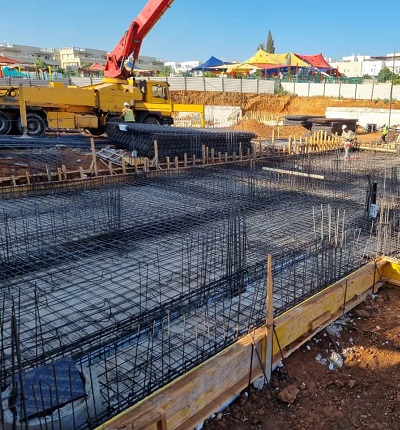
The bar diameter, spacing, concrete cover and reinforcement laps are checked against the plans before the concrete mixer even arrives. This is the most critical stage - after the pour the steel is hidden inside the concrete and can no longer be inspected.
3
The Concrete Pours
The engineer verifies that the concrete type matches the design, that the pour is carried out and vibrated properly and that control samples are taken per the standard. Correctly specified concrete is the basis for the strength and durability of the whole frame.
4
Documentation and Professional Responsibility
Every stage is documented, and the engineer signs the declarations the engineering process requires. This professional documentation is what ensures the frame was executed under full responsibility and by all the rules.
Why a Frame Built Without Engineering Supervision Is a Hidden Risk
Consider a scenario from the field: a contractor poured a concrete ceiling without a responsible execution engineer checking the reinforcement before the pour. The bottom reinforcement was placed with too thin a concrete cover, and part of it even shifted during the pour. To the eye, the ceiling looked perfect - smooth, straight and finished.
Only years later, when a rust stain and a thin crack began to appear on the underside of the ceiling, did it emerge that the reinforcement steel had begun to corrode because of the faulty cover. The problem was born in one second of missing supervision, but it is buried deep inside the concrete - and truly repairing it is very complex, because it is a load-bearing element.
The guiding principle: most of the frame can only be checked once - before the concrete covers it. A responsible execution engineer is on site at exactly those moments, making sure the work was done properly before it disappears from view.
Building a frame and want close engineering supervision at the critical stages? Talk to us:
The Stages of a Responsible Execution Engineer's Supervision
1
Reviewing the Plans and Permit
Studying the structural plans and permit conditions, and preparing for the execution stages that require engineering presence.
2
Approving the Foundations and Footing
Checking that the foundations were executed at the right depth, dimensions and location according to the design and soil type before construction continues.
3
Reinforcement Inspection Before the Pour
Verifying that the steel was placed according to the plans - diameter, spacing, cover and laps - in every element before the pour.
4
Supervising the Pours and Concrete Tests
Being present at the critical pours, verifying the correct concrete type and taking control samples per the standard.
5
Tracking the Frame to Completion
Continuous accompaniment of the frame rising floor by floor, until all the load-bearing elements are complete.
6
Reporting and Signing
Documenting the stages and signing the declarations the engineering process requires, as evidence of correct and responsible execution.
Responsible for Execution vs. Responsible for Inspection: What's the Difference?
Two engineering roles that are easy to confuse, but they are entirely separate - and the regulations even require that they not be the same person. Here is how it works:
Responsible engineer for frame execution
Responsible engineer for inspection
Who appoints them
The permit holder or the executing contractor
The permit holder
What they are responsible for
That the frame is actually executed correctly, per the design and standard
That the construction matches the permit, the law and the regulations
When present on site
At the critical execution stages of the frame
At defined inspections throughout construction
Who they report to
Signs declarations of responsibility for the frame execution
Submits inspection reports to the local committee
Separation of roles
Cannot also serve as the responsible engineer for inspection
Cannot be the responsible engineer for the frame execution
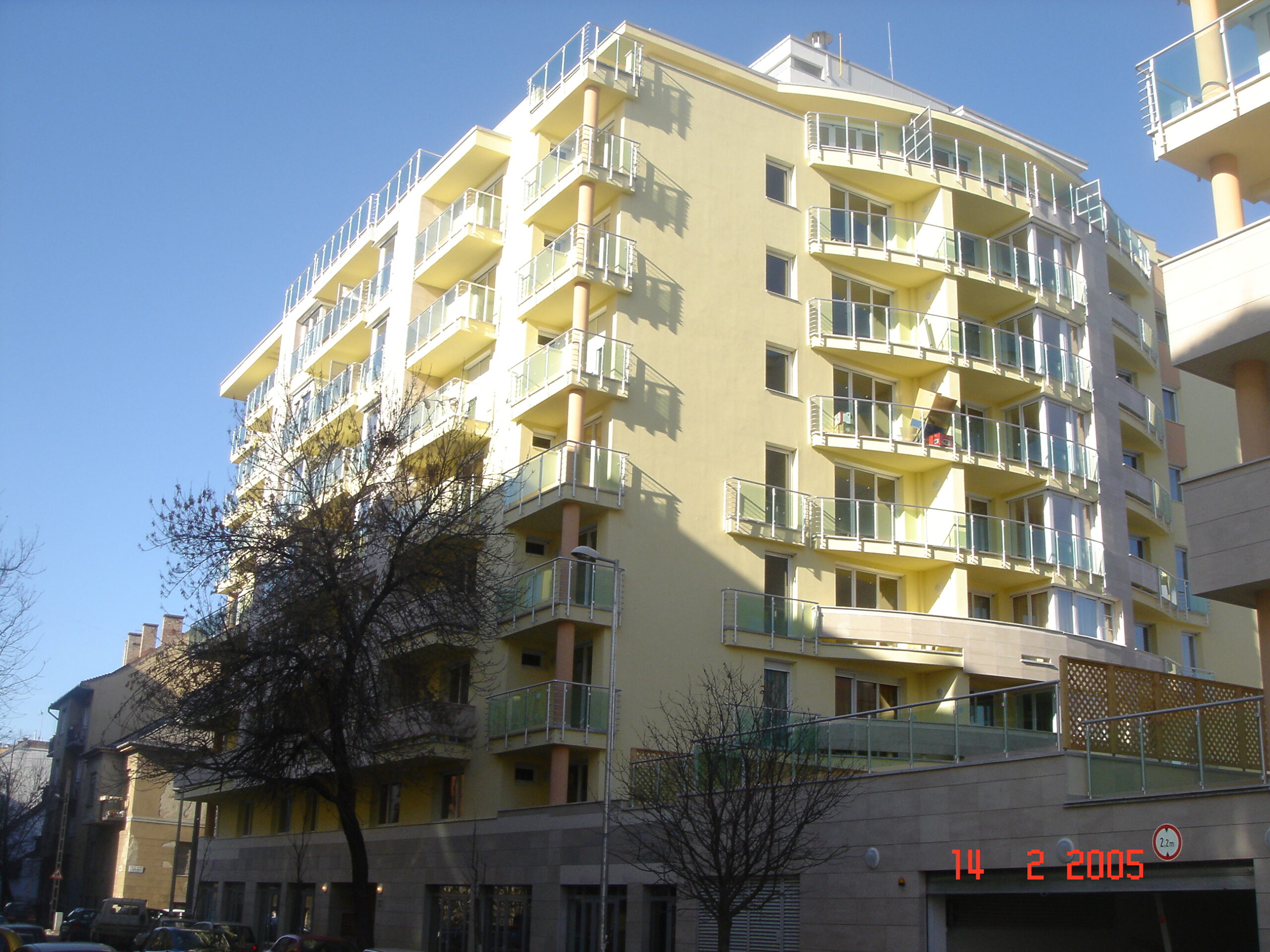
Initiation and execution of the "Central Park Budapest" project - Budapest
Private
Building structural design
Private
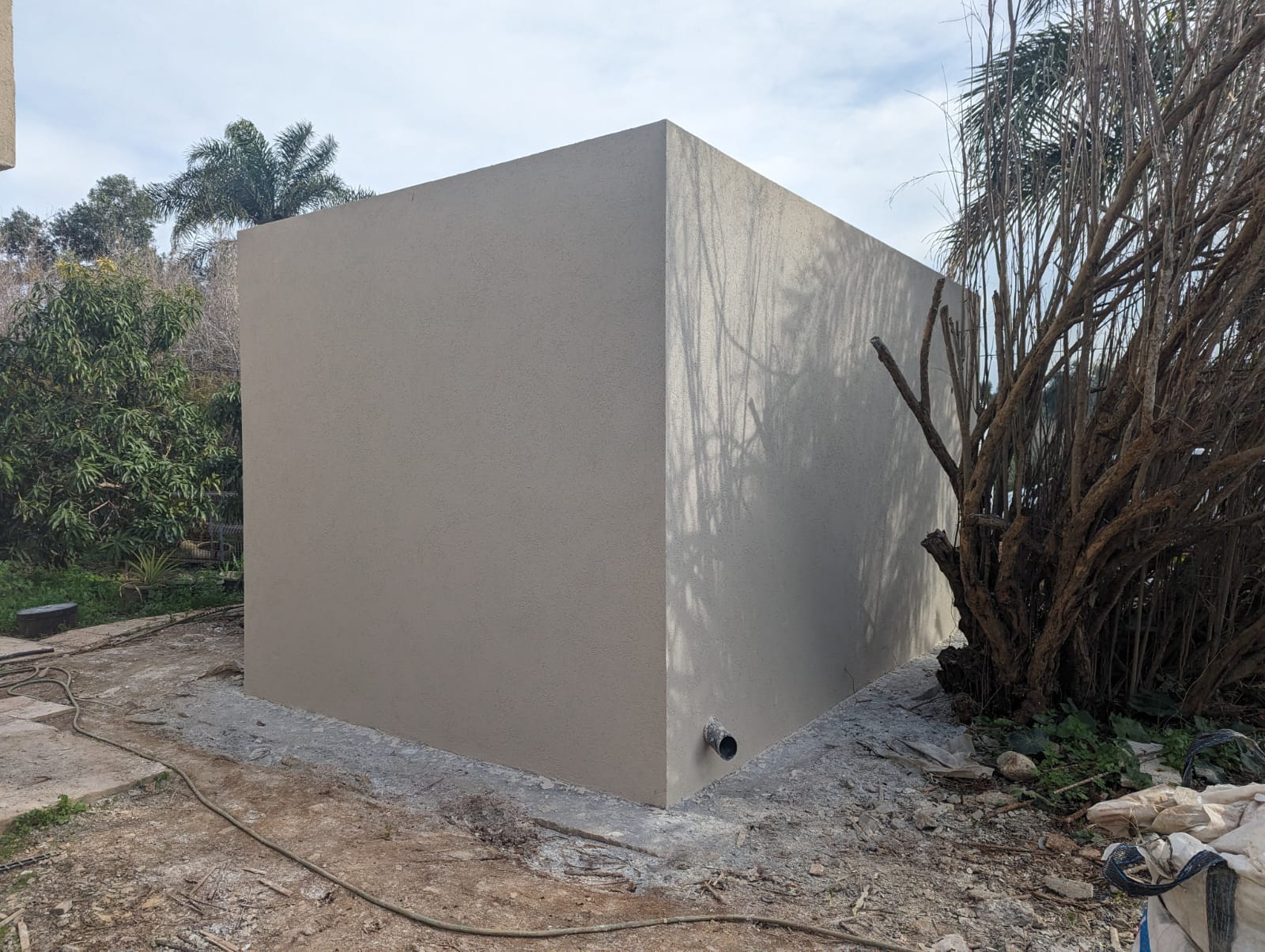
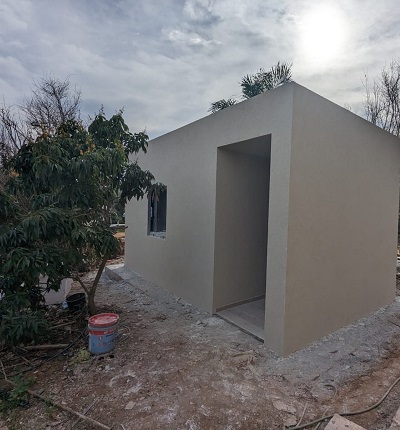
Shelter approval and design
Private
Shelter approval and design
Private
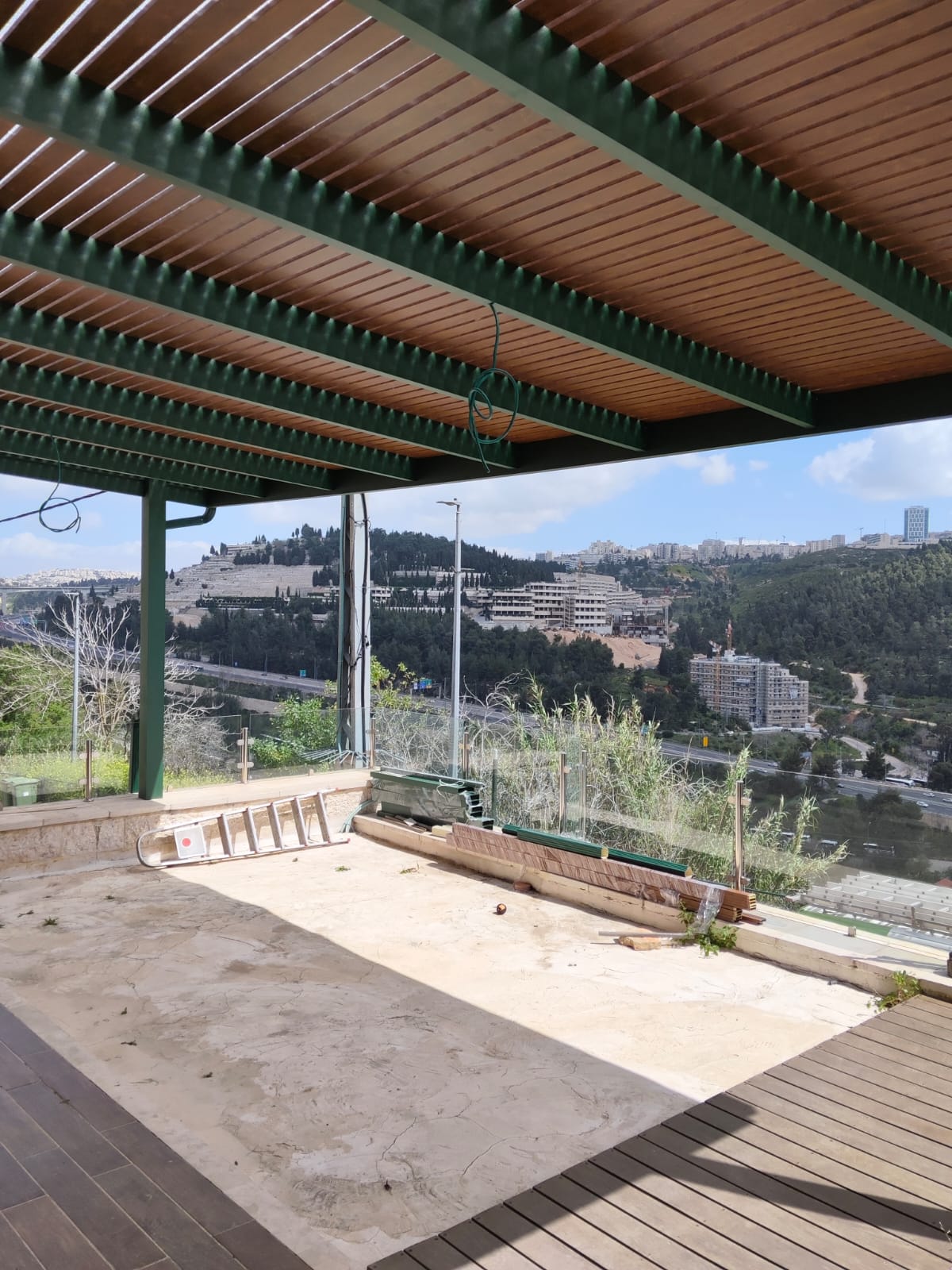
Pergola structural design
Private/Commercial
Lead engineer – inspections
Private/Commercial
Lead engineer – inspections
Private/Commercial
Lead engineer – inspections
Private/Commercial
Lead engineer – inspections
Private
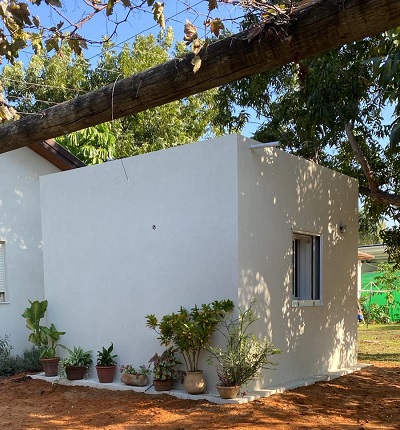
Shelter approval and design
Private
Shelter approval and design
Commercial
Finishing works engineer – The Jaffa Hotel, Fattal
Commercial
Residential project management
Private
In-ground pool design
Private
In-ground pool design
Private
Jacuzzi structure design
Private
In-ground pool design
Private/Commercial
Hazardous building assessment
Commercial
Structural Engineer in Charge – Shaharut Hotel
Private
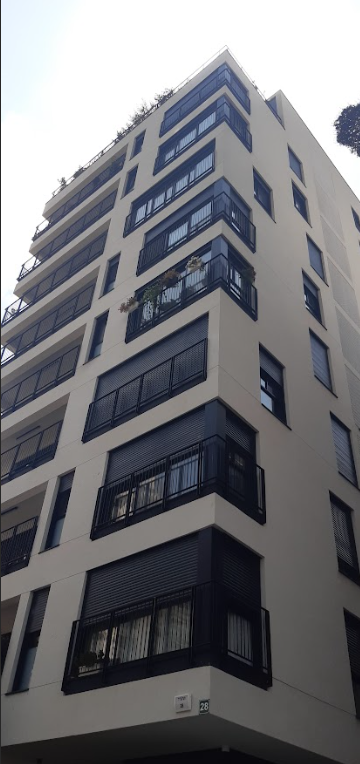
Engineering design for a building
What Our Clients Say
Excellent experience - I was satisfied with everything! We hired B.R.N. Engineering for a structural inspection of a residential building, focusing on cracks and ensuring the building was safe. The engineer was patient, attentive, and fully understood what was needed. He arrived on time, thoroughly examined the building and apartments, and delivered a professional report
Professional, efficient, courteous, and helpful. The service was for obtaining approval for pool installation.
They were an amazing and professional team. They received all the building plans and worked in a very organized and professional manner! Outstanding service, and the most reasonable price I found - and I had checked several places. Thank you so much for everything. Truly excellent and professional service with a personal touch. I definitely recommend them. The service was for obtaining a structural engineer’s approval to install a rooftop pool.
Everything was perfect! The certificate regarding the structural stability of the building was issued promptly. Service: Structural stability inspection.
I was very pleased - everything was absolutely excellent! The service was for providing a professional opinion on the repair of cracks in building columns and beams.
Quick, courteous, efficient, and professional. Highly recommended! The service was for providing a structural opinion for room reinforcement.
He was excellent. The service was outstanding. I was impressed by his professional approach - it’s clear he knows his field! The service was for submitting an engineering assessment for a residential balcony.
Michael inspected the apartment and gave his professional opinion regarding wall removal. He was excellent! Service: Structural engineering assessment.
We organized an installation in support of the hostages, and he volunteered his help entirely free of charge! They were truly amazing - arrived whenever we needed them at the site and provided the necessary approvals. Service: Issuing approvals for an existing structure.
He’s a wonderful person who provided exceptional service - truly one of a kind. I wholeheartedly and warmly recommend him. Service: Consulting on the redesign of a private home.
Michael provided efficient, focused, and professional service. Service: Engineering inspection of balcony stability.
Excellent experience! I was truly satisfied with everything. The service was friendly, fast, and professional. Clear and understandable answers were provided. Highly recommended. Service: Inspection of supporting columns in an industrial structure and a professional opinion on structural stability and the potential replacement of steel beams.
Outstanding! Truly exceptional in their professionalism, flexibility, and responsiveness at any time and place. Really special people. Service: Issuing approvals, supervision by a certified engineer, and support during execution stages.
They were very good - I would gladly work with them again in the future. Service: Construction supervision and issuance of approvals.
I received excellent service from Michael. Before arriving, I sent him photos, and he already provided a preliminary opinion based on them. He came to the site within a day and sent the written approval the very next day. Service: Issuing approval for wall removal in a private home.
The frame designer calculates and draws the structural plans - determining how much reinforcement, which concrete and what dimensions. The responsible execution engineer is the one who verifies on site that the frame is actually built exactly according to those plans. Sometimes it is the same engineering firm, but these are two different roles.
מי ממנה את המהנדס האחראי על הביצוע?
The responsible engineer for the frame execution is appointed by the permit holder or the executing contractor, and must be an engineer listed in the Register of Engineers and Architects in the civil-engineering branch, in the appropriate section.
האם המהנדס חייב להיות נוכח בכל יציקה?
The engineer is present at the critical stages where the work cannot be inspected after the fact - chiefly the reinforcement inspection before every pour and the main castings. Presence at these stages is the heart of the role.
מה קורה אם בונים שלד בלי מהנדס אחראי על ביצוע?
Beyond it being a professional requirement, the absence of engineering supervision greatly increases the risk of hidden defects inside the concrete - faulty reinforcement, incorrect concrete cover or wrong-quality concrete - defects that usually surface only years later and are very hard to repair.
האם אותו מהנדס יכול לשמש גם כאחראי לביקורת?
No. The regulations explicitly state that the responsible engineer for inspection cannot also be the responsible engineer for the building-frame execution. These are two separate roles filled by different people, to maintain independent oversight.
אילו שלבים בשלד אי אפשר לבדוק בדיעבד?
Everything hidden inside the concrete: the steel reinforcement, the concrete cover, the position of the steel and the laps. Once the concrete is poured, these elements vanish from view - which is why inspecting them before the pour is critical.
האם השירות מתאים גם לתוספת בנייה ולא רק לבניין חדש?
Absolutely. Any concrete-frame execution - whether in a new building, a building addition or a structural strengthening - requires precise execution of the reinforcement and the pours, and therefore benefits from the supervision of a responsible execution engineer.
איך מתחילים ומזמינים מהנדס אחראי על ביצוע?
The simplest way is to contact us before the frame works begin, so we can accompany the process from the very first stage. Call 03-563-0000 or leave your details and we’ll get back to you soon.