Engineer’s Opinion for the Restoration of Buildings and Dangerous Structures
Structural Engineer for Restoration of Dangerous Buildings
Did you receive a dangerous-building order from the municipality?
Have cracks, rusting steel or crumbling concrete appeared?
Do you need an engineering opinion to have the order removed?
A dangerous-building order is not a death sentence for the building. In most cases the structure can be strengthened and restored, returned to a safe condition and the order removed, with the guidance of a structural engineer.
At B.R.N. Engineering we carry out an engineering inspection, produce an opinion and execution instructions, design the structural strengthening and accompany the restoration until the building is approved and the order is removed by the authority.
What Is a Dangerous-Building Order and How Do You Get It Removed
A dangerous-building order is an official directive issued by the local authority, through the engineer of the dangerous-structures committee, when there is a concern for the stability of the building and the safety of the residents or passers-by nearby. The order is issued under the municipal by-law for dangerous structures, and it requires the property owners to act within a set time frame.
To have the order removed, the property owners or the house committee turn to a structural engineer, who inspects the building, writes an engineering opinion and execution instructions for the contractor, and accompanies the restoration works. Once the works are complete and the engineer confirms the building is safe, the approval is submitted to the authority - and the building is reclassified as "not dangerous". Good to know: fast, professional action prevents escalation, fines and the risk of evacuation, and in severe cases a demolition order too.
Warning Signs That Require a Structural Engineer's Inspection
Diagonal cracks or cracks in concrete columns and beams
Exposed reinforcement steel and rust ("concrete cancer")
Crumbling, erosion and flaking of the concrete
Settlement, slopes or distortions in the floor and walls
Wear and damage to foundations and exposed columns
Stages of Restoring a Dangerous Building and Removing the Order
1
Engineering Inspection and Survey
The structural engineer examines the frame, foundations and loads on site, identifies the source of the failure and the extent of the damage.
2
Engineering Opinion and Execution Instructions
A signed document detailing the condition of the building, the level of risk and the precise repair instructions for the executing contractor.
3
Strengthening and Restoration Design
Structural design of the solution - strengthening columns, beams and foundations, concrete repairs and corrosion treatment - according to the standards.
4
Execution and On-Site Supervision
Guiding the contractor and quality control that ensures the work is carried out exactly according to the design and the engineering instructions.
5
Approval and Removal of the Order
When the restoration is complete the engineer confirms the building is safe, and the approval is submitted to the local authority to remove the dangerous-building order.
Structural Strengthening and Restoration Methods
Every dangerous building has its own engineering story, so the solution is determined only after a precise diagnosis of the source of the failure. These are the main structural restoration methods we use:
Concrete Restoration and Repairs
Cleaning the damaged areas, injecting epoxy into structural cracks and high-quality concrete reinstatement, to restore strength and imperviousness.
Corrosion Treatment ("Concrete Cancer")
Exposing the reinforcement steel, removing rust, passivation and a protective layer - to stop the deterioration and prevent the damage from returning.
Structural Strengthening
Strengthening columns and beams using steel jackets or carbon-fiber sheets (CFRP), and adding load-bearing elements where needed.
Foundation and Seismic Strengthening
Treating settlement with injections or micropiles, and adapting the building to earthquake resistance according to the Israeli standard.
Types of Dangerous-Building Orders and the Difference Between Them
The local authority can issue several types of orders, according to the severity of the risk. In most cases, the guidance of a professional structural engineer makes it possible to restore the building and avoid the extreme scenario of a demolition order:
Type of order
What it means
How a structural engineer helps
Fencing and marking order
A requirement to fence and mark the dangerous area to protect passers-by.
A structural engineer diagnoses the source of the danger and determines which works will remove the fencing.
Repair and renovation order
A requirement to carry out strengthening and repair works within a set time frame.
The engineer prepares an opinion and execution instructions, and accompanies the restoration through to approval.
Evacuation order
A requirement to vacate the building due to an immediate danger to its occupants.
Fast, planned strengthening can return the building to a safe condition and allow re-occupancy.
Demolition order
A requirement to demolish the building or part of it when it cannot be restored.
An engineering opinion proving it can be safely strengthened frequently prevents the demolition.
Received a dangerous-building order? Talk to a structural engineer before deciding on demolition:
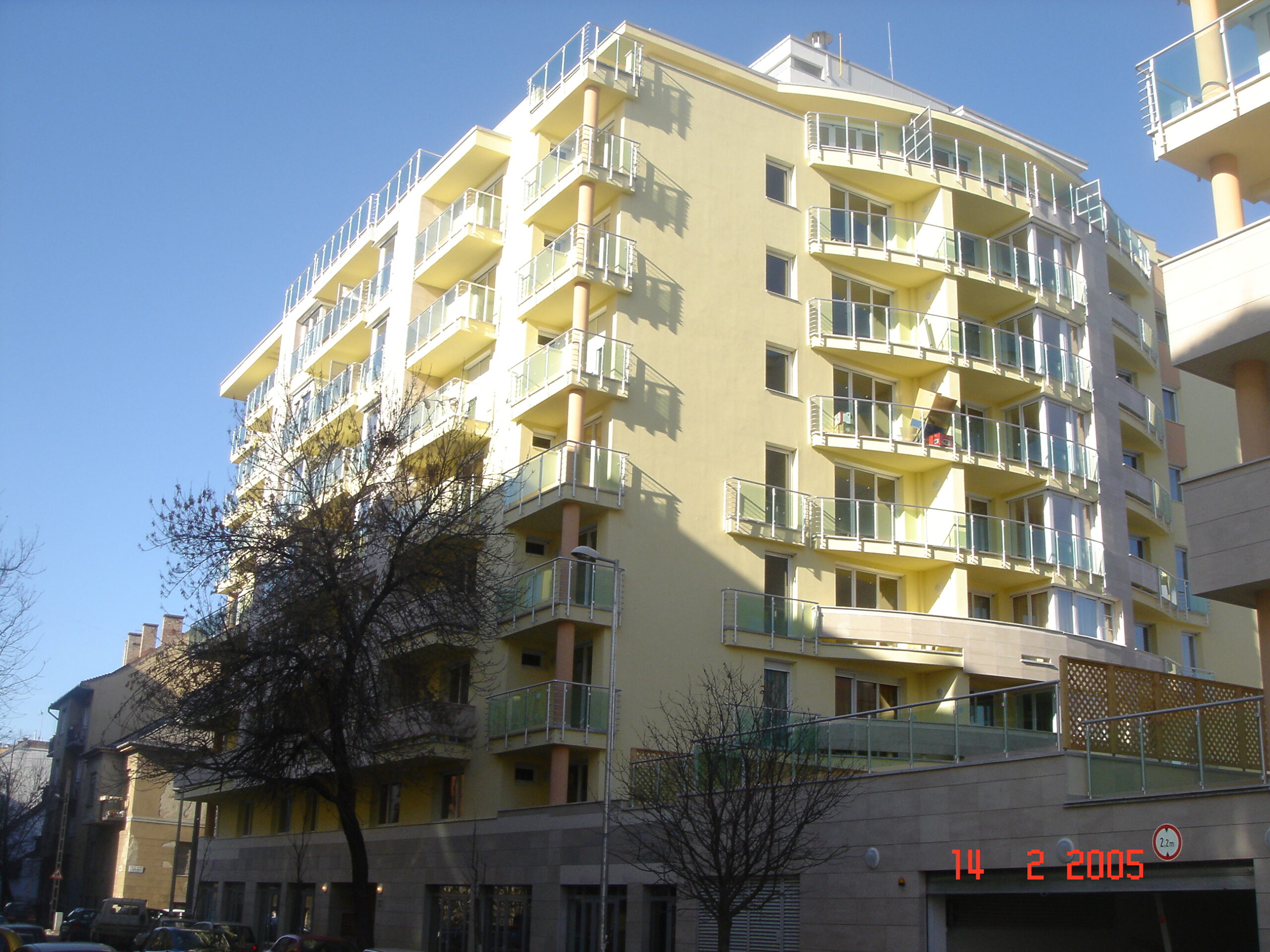
Initiation and execution of the "Central Park Budapest" project - Budapest
Private
Building structural design
Private
Shelter approval and design
Private
Shelter approval and design
Private
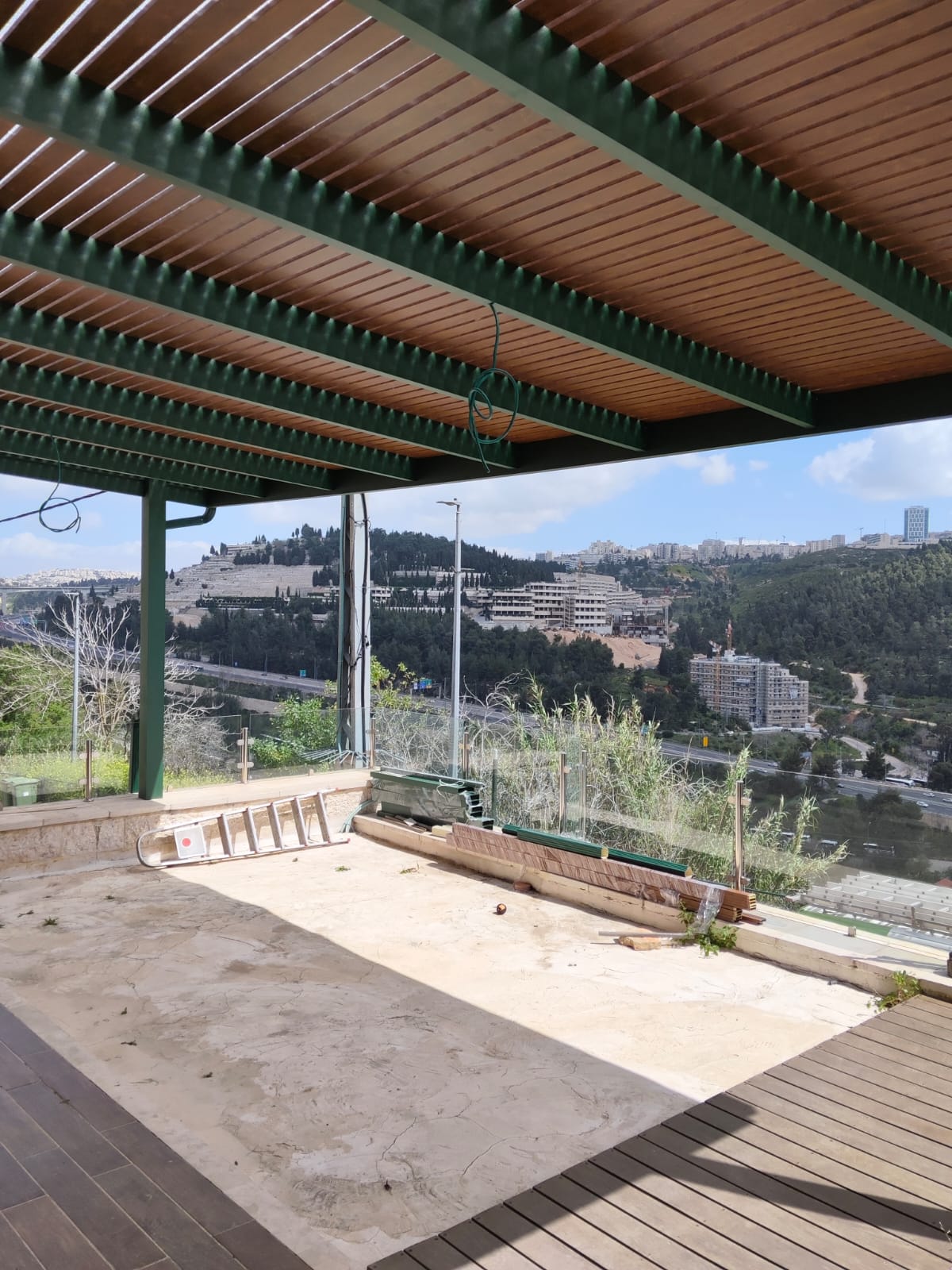
Pergola structural design
Private/Commercial
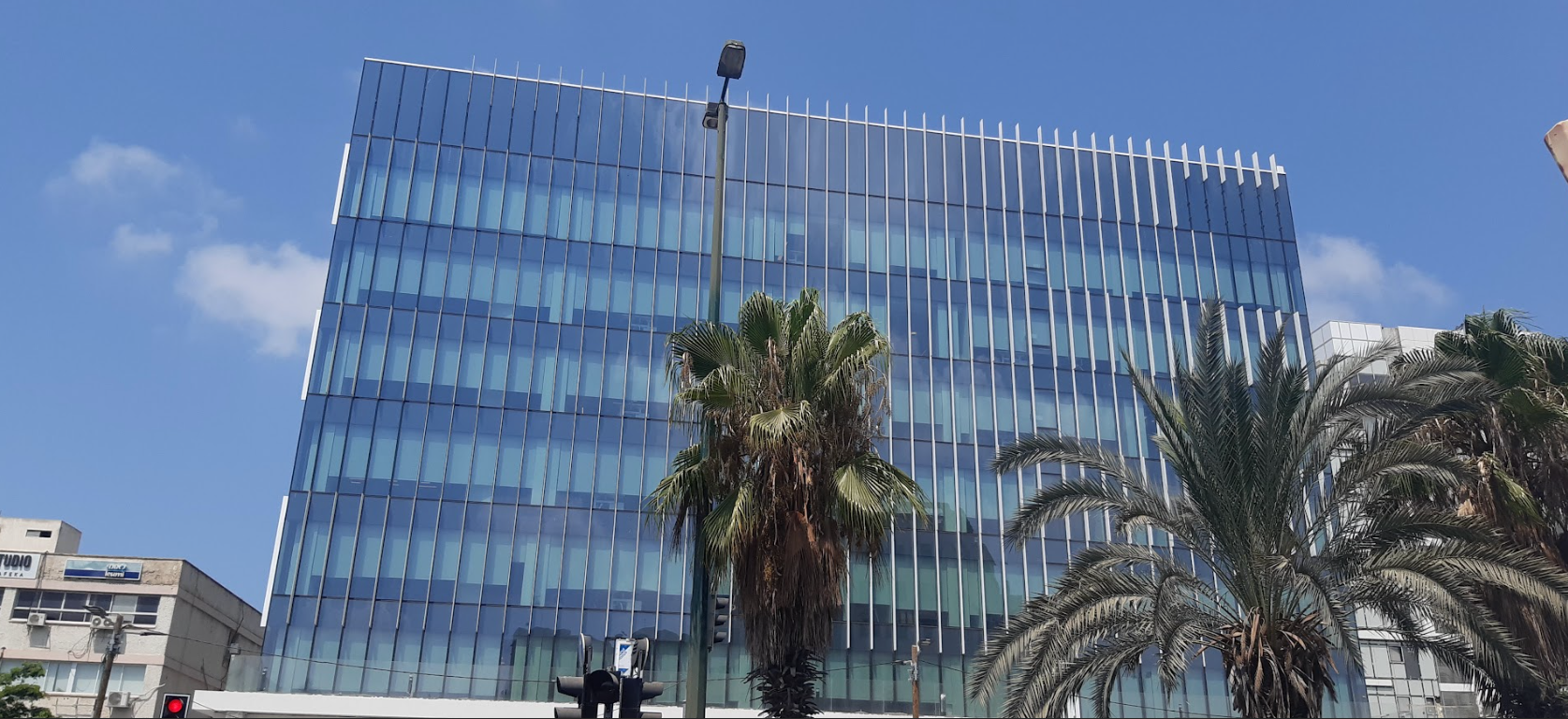
Lead engineer – inspections
Private/Commercial
Lead engineer – inspections
Private/Commercial
Lead engineer – inspections
Private/Commercial
Lead engineer – inspections
Private
Shelter approval and design
Private
Shelter approval and design
Commercial
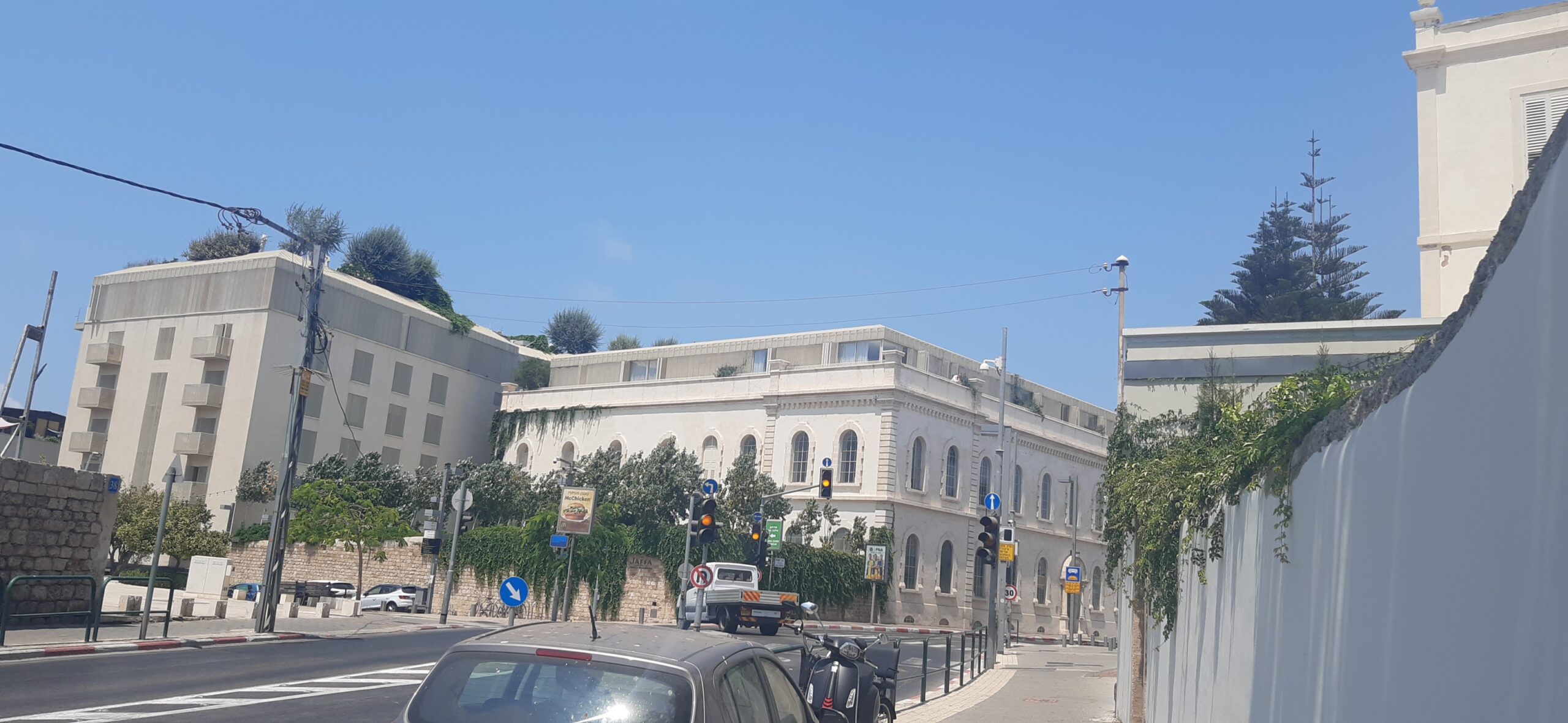
Finishing works engineer – The Jaffa Hotel, Fattal
Commercial
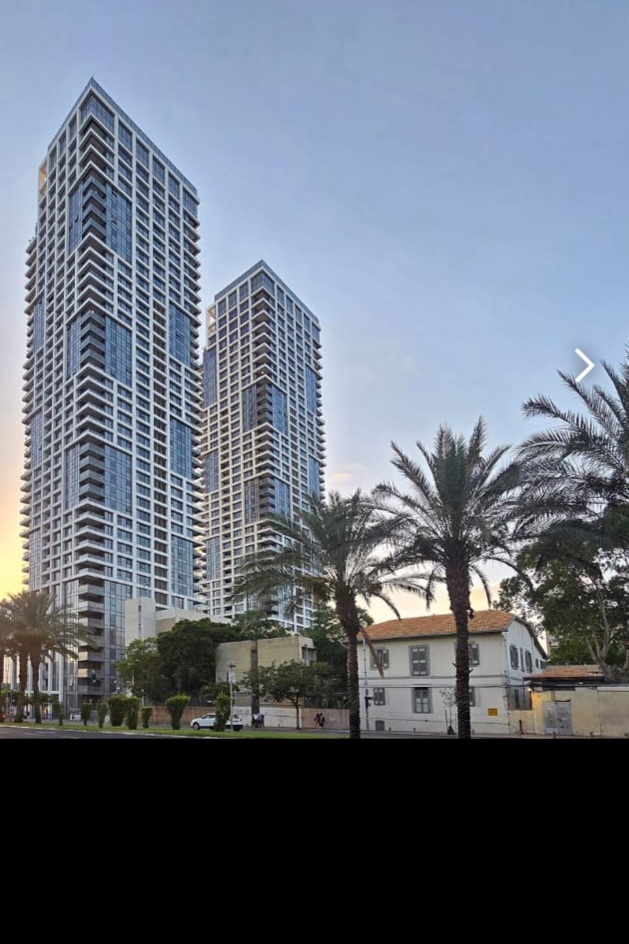
Residential project management
Private
In-ground pool design
Private
In-ground pool design
Private
Jacuzzi structure design
Private
In-ground pool design
Private/Commercial
Hazardous building assessment
Commercial
Structural Engineer in Charge – Shaharut Hotel
Private
Engineering design for a building
What Our Clients Say
Excellent experience - I was satisfied with everything! We hired B.R.N. Engineering for a structural inspection of a residential building, focusing on cracks and ensuring the building was safe. The engineer was patient, attentive, and fully understood what was needed. He arrived on time, thoroughly examined the building and apartments, and delivered a professional report
Professional, efficient, courteous, and helpful. The service was for obtaining approval for pool installation.
They were an amazing and professional team. They received all the building plans and worked in a very organized and professional manner! Outstanding service, and the most reasonable price I found - and I had checked several places. Thank you so much for everything. Truly excellent and professional service with a personal touch. I definitely recommend them. The service was for obtaining a structural engineer’s approval to install a rooftop pool.
Everything was perfect! The certificate regarding the structural stability of the building was issued promptly. Service: Structural stability inspection.
I was very pleased - everything was absolutely excellent! The service was for providing a professional opinion on the repair of cracks in building columns and beams.
Quick, courteous, efficient, and professional. Highly recommended! The service was for providing a structural opinion for room reinforcement.
He was excellent. The service was outstanding. I was impressed by his professional approach - it’s clear he knows his field! The service was for submitting an engineering assessment for a residential balcony.
Michael inspected the apartment and gave his professional opinion regarding wall removal. He was excellent! Service: Structural engineering assessment.
We organized an installation in support of the hostages, and he volunteered his help entirely free of charge! They were truly amazing - arrived whenever we needed them at the site and provided the necessary approvals. Service: Issuing approvals for an existing structure.
He’s a wonderful person who provided exceptional service - truly one of a kind. I wholeheartedly and warmly recommend him. Service: Consulting on the redesign of a private home.
Michael provided efficient, focused, and professional service. Service: Engineering inspection of balcony stability.
Excellent experience! I was truly satisfied with everything. The service was friendly, fast, and professional. Clear and understandable answers were provided. Highly recommended. Service: Inspection of supporting columns in an industrial structure and a professional opinion on structural stability and the potential replacement of steel beams.
Outstanding! Truly exceptional in their professionalism, flexibility, and responsiveness at any time and place. Really special people. Service: Issuing approvals, supervision by a certified engineer, and support during execution stages.
They were very good - I would gladly work with them again in the future. Service: Construction supervision and issuance of approvals.
I received excellent service from Michael. Before arriving, I sent him photos, and he already provided a preliminary opinion based on them. He came to the site within a day and sent the written approval the very next day. Service: Issuing approval for wall removal in a private home.
Frequently Asked Questions - Restoration of Dangerous Buildings
מי מוציא צו מבנה מסוכן?
The order is issued by the local authority, through the engineer of the dangerous-structures committee, under the municipal by-law. It is issued when there is a concern for the stability of the building and the safety of residents or passers-by nearby.
איך מסירים צו מבנה מסוכן?
You turn to a structural engineer who inspects the building, prepares an engineering opinion and execution instructions, and accompanies the restoration works. When the works are complete the engineer confirms the building is safe, the approval is submitted to the authority - and the order is removed.
קיבלתי צו הריסה - חייבים להרוס את הבניין?
Not necessarily. A demolition order is issued when the authority believes the building cannot be safely restored, but an independent engineering opinion proving it can be strengthened often prevents the demolition. It is important to consult a structural engineer as early as possible.
מהם הסימנים שמבנה עלול להיות מסוכן?
Diagonal cracks or cracks in concrete columns and beams, exposed reinforcement steel and rust ("concrete cancer"), crumbling and erosion of concrete, settlement and slopes in the floor, and wear in foundations and exposed columns. Signs like these require a structural engineer’s inspection.
מה כוללת חוות דעת הנדסית לשיקום מבנה?
The opinion includes a description of the building’s condition, the source of the failure and the level of risk, detailed execution instructions for the contractor and the signature of a licensed engineer. It is the document on which the restoration is based and the order is removed.
מי אחראי על שיקום מבנה משותף - ועד הבית או הדיירים?
When the dangerous building is common property, the responsibility lies with all the apartment owners through the house committee. The house committee is usually the one that turns to the structural engineer and leads the restoration process with the authority.
כמה זמן לוקח תהליך השיקום והסרת הצו?
The duration depends on the extent of the damage, the type of building and the contractor’s availability. The inspection and opinion are produced within a short time, while the strengthening works themselves take as long as their scope requires. Close engineering supervision shortens delays and prevents rework.
איך בוחרים מהנדס או חברה לשיקום מבנים?
Choose a licensed structural engineer experienced in building restoration, who is familiar with the updated standards, can diagnose different types of buildings (unstable, dangerous, requiring strengthening) and accompanies the project from the inspection through to removal of the order.
איך מתחילים תהליך שיקום והסרת צו מבנה מסוכן?
The process begins with an engineering inspection of the building and the production of an opinion and execution instructions. To arrange an inspection with a structural engineer call 03-563-0000 or leave your details and we’ll get back to you.