
Receiving notice from the local authority that a building has been declared a dangerous structure is, understandably, an event that causes concern among residents. Many worry that the building is about to collapse, others are unsure what is required of them, and there is often uncertainty regarding the responsibility of the house committee and the apartment owners.
In practice, a dangerous building order does not necessarily mean that the structure is in immediate danger of collapse. It means that the local authority has identified defects that could pose a risk to the public or to the building’s residents, and it therefore requires a professional inspection by a structural engineer and the removal of the hazards in line with the engineer’s findings.
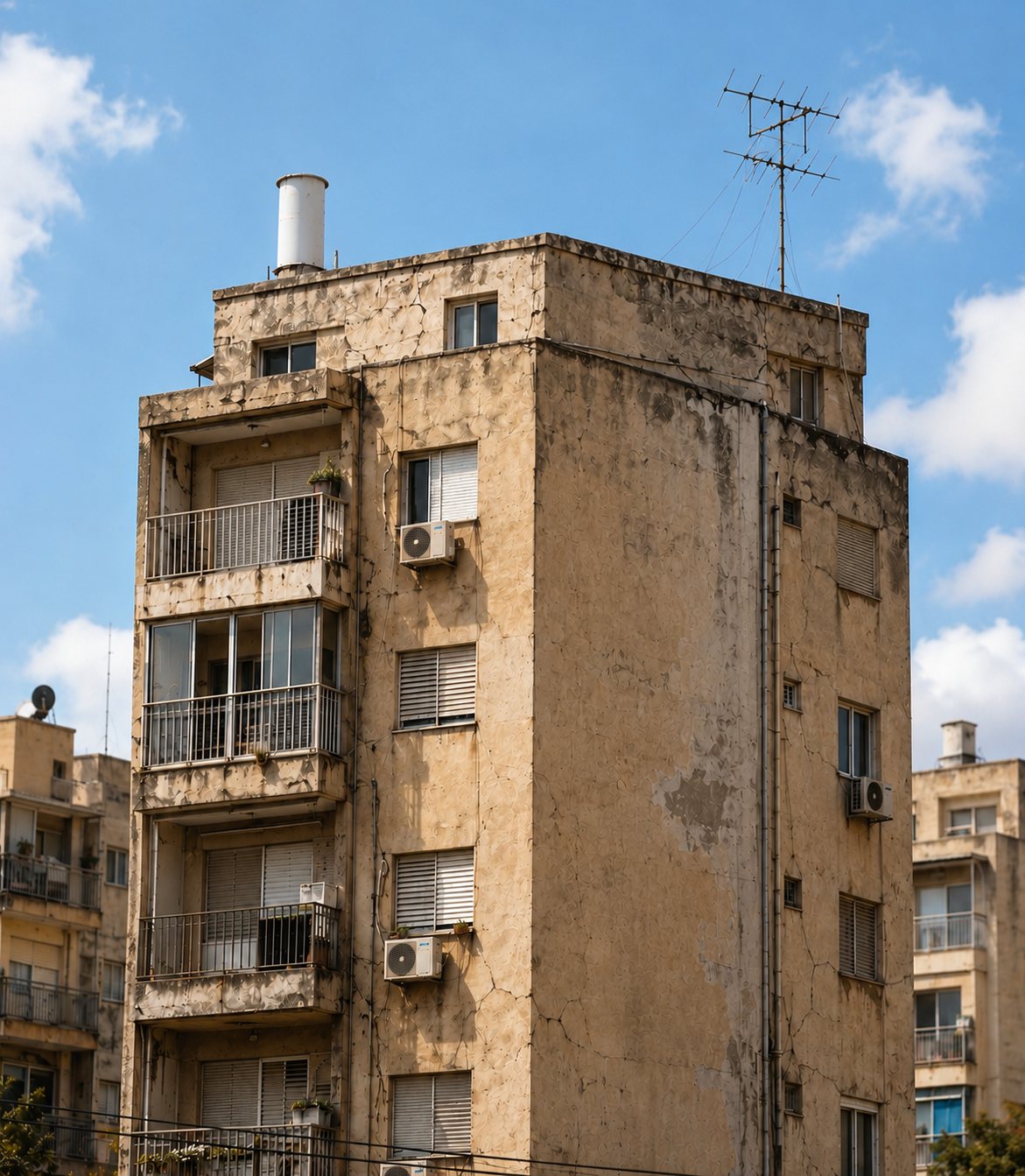
When the matter is addressed quickly and professionally, the order can, in most cases, be removed once the required repairs have been completed and the engineer’s approval has been obtained.
A dangerous building order is an administrative order issued by the local authority when there is a concern that the building, or part of it, may endanger public safety or the people who use it.
The order is not issued at random. It usually follows a complaint from residents, a report by a municipal inspector, a proactive inspection by the municipality, or an unusual event such as an earthquake, a fire, an explosion, or security-related damage.
The purpose of the order is a single one: to ensure that the building is examined by a qualified professional and that every possible hazard is addressed without delay.
There are many signs that may lead a municipality to open a dangerous-structure proceeding, including:
It is important to understand that not every crack indicates a structural hazard. Sometimes it is a purely cosmetic defect, and sometimes a sign that seems relatively minor may actually point to a more significant problem. That is why only an inspection carried out by a structural engineer can determine the true significance of a defect.
When a dangerous building order is issued, the local authority generally requires the appointment of a structural engineer with the certification and experience needed in the field of building stability.
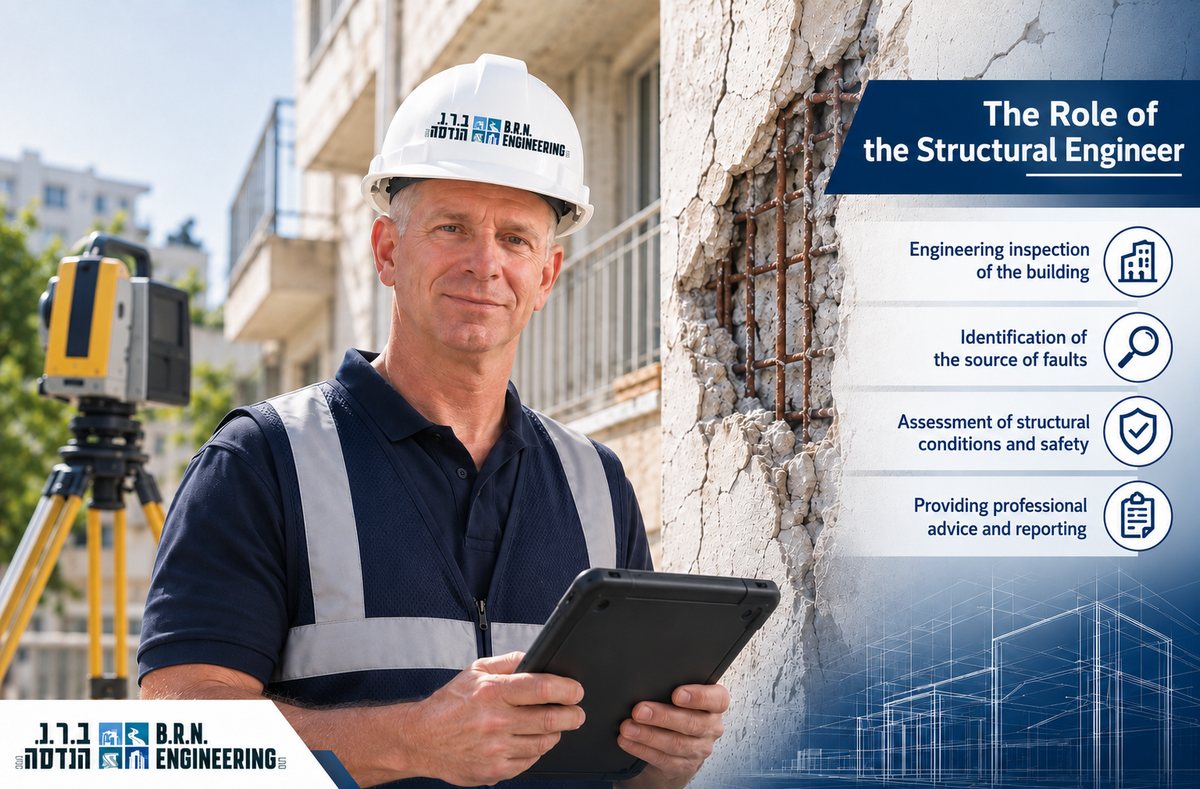
The engineer’s role is to carry out a comprehensive engineering inspection of the building, identify the source of the failures, and assess whether there is a genuine danger.
During the inspection, the following are examined, among other things:
At the end of the inspection, the engineer submits a professional opinion that sets out:
Absolutely not. This is one of the most common misconceptions.
In the vast majority of cases, the defects can be addressed through rehabilitation, reinforcement, and repair work carried out in line with the structural engineer’s instructions.
Only in especially exceptional cases, where significant damage to the building’s frame is found or there is a risk of collapse that cannot be reasonably repaired, may full or partial demolition be considered.
That is why it is important to avoid drawing early conclusions and to wait for a professional inspection based on engineering data.
Once the structural engineer has completed the inspection, they prepare an engineering specification that sets out how the repairs are to be carried out.
The rehabilitation work is then performed by a suitable contractor and in accordance with the engineer’s instructions.
Throughout the work, the structural engineer supervises the repairs and verifies that they have been carried out in line with professional requirements.
Once all the defects have been resolved to the engineer’s satisfaction, they issue an approval confirming that the hazards have been dealt with and that the order can be removed with the local authority.
It is important to know that in most local authorities a dangerous-structure order cannot be removed without a signed approval from a structural engineer who has overseen the process. As long as the order remains in effect, the property owners are obligated to act in accordance with the authority’s instructions and within the timelines that have been set. Failing to address the order may lead to enforcement proceedings and even to sanctions, in accordance with the provisions of the law and the local authority’s procedures.
The security situation in Israel has meant that many buildings have been exposed to significant blast pressure as a result of missile impacts, interceptions, and nearby explosions.
Even when there is no direct hit to the building, the force of the blast may cause damage that is not always visible at first glance.
Among other things, the following may develop:
In most cases this does not mean that the building has lost its stability; however, when new signs appear after a significant security event, it is advisable to carry out a professional engineering inspection rather than rely on a visual impression alone.
An inspection by a structural engineer makes it possible to determine whether it is merely superficial damage or a failure that could affect the safety of the building.
The most important thing is not to ignore the order and not to put off dealing with it.
You should contact, as soon as possible, a structural engineer experienced in building inspections, who will carry out a thorough examination, prepare a professional opinion, and accompany the process with the local authority until the repairs are completed and the order is removed.
Professional handling from the very first stages often makes it possible to reduce the extent of the damage, shorten the duration of the process, and give the residents and the local authority a clear engineering picture of the building’s condition and the required solution.
An inspection carried out by an experienced structural engineer makes it possible to assess the building’s true condition, determine whether a danger exists, define the correct course of action, and accompany the removal of the order with the local authority once all the required work has been completed.
BRN Engineering (B.R.N. Engineering Ltd.) supports house committees, apartment owners, developers, and contractors in dealing with dangerous buildings and across a wide range of engineering projects throughout the country. The firm specializes in building stability inspections, engineering opinions, reinforcement and rehabilitation design, and issuing the approvals required to remove dangerous-structure orders.
Thanks to experience accumulated across many projects, an in-depth familiarity with the requirements of local authorities, and the ability to provide nationwide service, BRN Engineering gives its clients a professional, fast, and personal response every step of the way.
A dangerous building order is an administrative order issued by the local authority when there is a concern that the building, or part of it, may endanger the public. It is usually issued following a complaint from residents, an inspector’s report, a municipal inspection, or an unusual event such as an earthquake, a fire, or security-related damage, and it requires an inspection by a structural engineer.
Not necessarily. The order indicates that the authority has identified defects that could pose a danger, but in most cases there is no immediate risk of collapse. Only an engineering inspection by a structural engineer can determine the actual level of danger.
Absolutely not. In the vast majority of cases the defects can be addressed through rehabilitation, reinforcement, and repair work carried out according to the structural engineer’s instructions. Full or partial demolition is considered only in rare cases of severe damage to the frame or a risk of collapse that cannot be reasonably repaired.
The structural engineer inspects the building, prepares a repair specification, and supervises the rehabilitation work. On completion, once the defects have been repaired to their satisfaction, the engineer issues a signed approval that allows the order to be removed with the local authority. Without such approval, most authorities will not remove the order.
It is highly recommended. Blast pressure from missile impacts or nearby explosions can cause damage that is not visible to the eye, such as new cracks, loosening of stone cladding, or damage to columns. An engineering inspection will determine whether it is superficial damage or a failure that affects the safety of the building.
As long as the order remains in effect, the property owners and the house committee are obligated to act in accordance with the authority’s instructions and within the timelines that have been set. Failing to act may lead to enforcement proceedings and sanctions, which is why it is important to contact a structural engineer and begin dealing with it as soon as possible.