Professional Information on Structural Stability Inspection
Noticed a new crack in a wall?
About to buy an older apartment?
Been asked to provide a stability certificate for the authorities or an insurer?
In each of these situations, a structural stability inspection is the difference between peace of mind and a risk you cannot see with the naked eye.
At B.R.N. Engineering we inspect the building's structural framework in depth, detect failures before they become dangerous, and issue a signed engineering report you can submit to any official body.
When is a structural stability inspection required?
Most property owners call a structural engineer only after cracks or signs of settlement appear, but in many cases a structural stability inspection is required or recommended well in advance:
Before buying an older apartment or an existing building: to expose hidden defects in the frame and foundations before signing.
Before a major renovation or an addition: opening a wall, adding a floor, a balcony or a pergola all require a prior engineering inspection.
As a condition for a building permit or business license: many authorities require a structural stability certificate as a condition for the permit.
When cracks, settlement or distortions appear: not every crack in a wall is dangerous, but only a licensed structural engineer can determine that.
Structural stability inspection after war damage, blast and earthquakes
In recent years thousands of buildings in Israel have been exposed to blast damage from rockets and to earthquakes felt across the country. The most dangerous damage is precisely the kind you cannot see: an internal crack in a load-bearing column, damage to a beam-to-foundation connection, or weakening of the reinforcement steel can remain hidden beneath the plaster and finish while the building looks intact from the outside.
In such cases, a structural (skeleton) stability inspection by a licensed structural engineer is the only way to know for certain whether the building remains safe to live in or requires strengthening. If your building has taken a direct or indirect hit, do not rely on appearances – get a professional inspection.
Has your building been damaged? Schedule an urgent stability inspection:
What does the structural stability inspection include?
Thorough inspections of the building’s structural framework
Risk analysis and identification of potential failures
Recommendations for further action, if necessary
Preparation of engineering reports to ensure safety
How is a structural stability inspection performed?
The inspection is led by B.R.N. Engineering’s structural engineer, Michael Langer, who has extensive experience inspecting private, public and industrial buildings. The process includes:
Visual on-site inspection: locating cracks, distortions, signs of settlement and corrosion in the reinforcement steel.
Measurements and static calculations: checking whether the elements meet the required loads according to the updated standards.
External laboratory testing when necessary: when deeper investigation is needed, the samples (concrete, steel or soil) are tested at an accredited external laboratory with dedicated equipment. The report we receive is studied and interpreted by us, and on that basis we provide a response and recommendations.
Preparation of a detailed engineering report: findings, risk assessment and recommendations for repair or strengthening.
The structural (skeleton) inspection itself is a visual engineering inspection. B.R.N. Engineering does not operate a laboratory; when advanced laboratory testing is required we use an accredited external laboratory, and we translate its findings into practical conclusions and recommendations.
What does a structural stability report include?
A structural stability report is often required by authorities, courts, contractors and insurance companies. The report we issue includes:
A description of the current condition of the building’s structural framework.
An assessment of risks and possible failures.
Guidelines for strengthening, repair or prevention.
The signature of a licensed engineer certifying the building’s safety.
In certain cases a stability certificate is also required for a pergola, a retaining wall, a light roof or a temporary structure – an additional service we provide quickly and accurately.
Why Choose B.R.N. Engineering?
Experience in inspecting all types of structures
Accurate and reliable assessment of structural stability
Engineering support to prevent future risks
Professional service with attention to the smallest details
A Company Specializing in Comprehensive Civil Engineering Services
A Company Specializing in Comprehensive Civil Engineering Services
Guarantee a seamless construction process,
Free of errors and delays - With B.R.N. Engineering
For further details or to arrange a meeting, contact us in whichever way is most convenient for you:
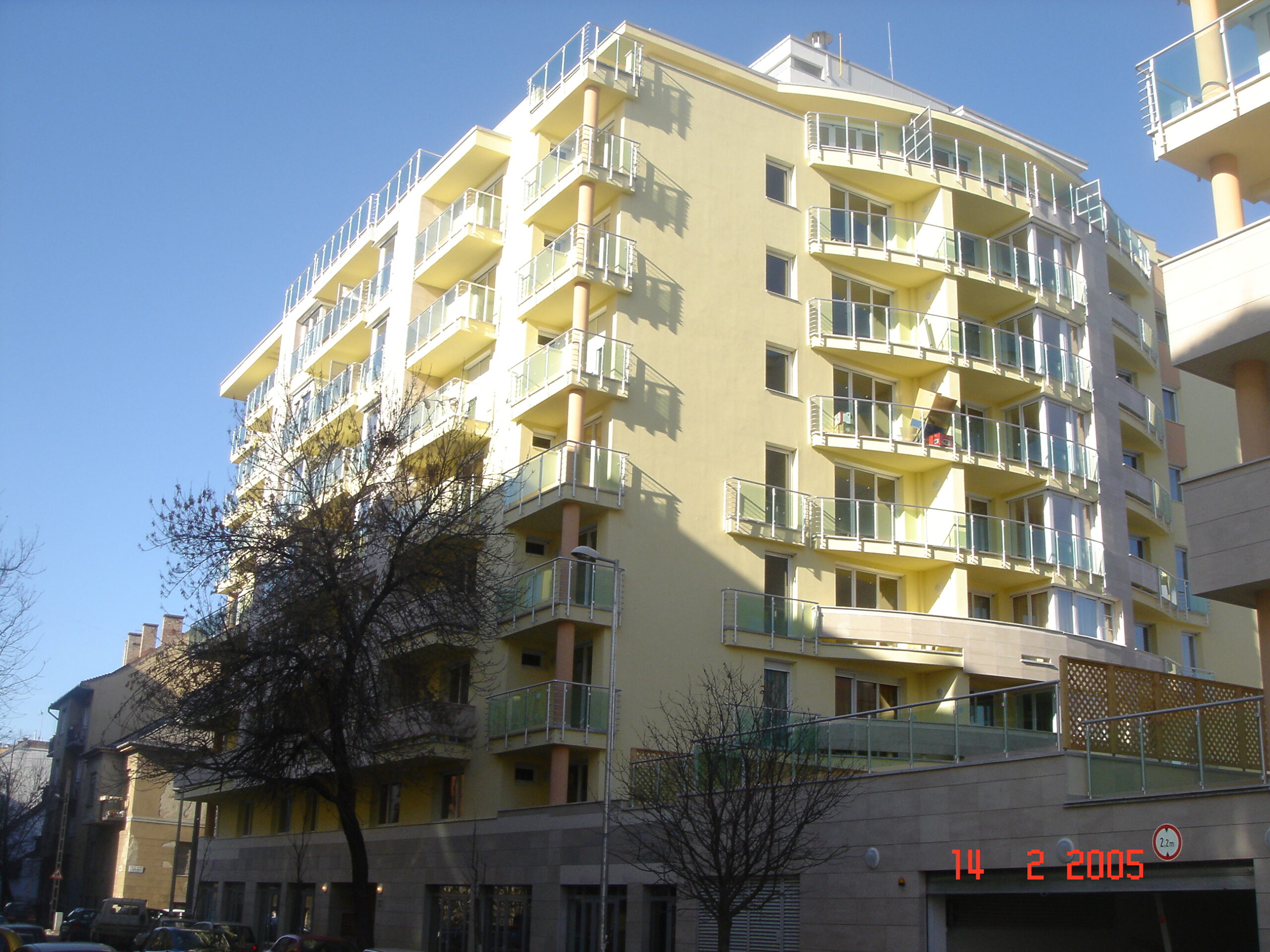
Initiation and execution of the "Central Park Budapest" project - Budapest
Private
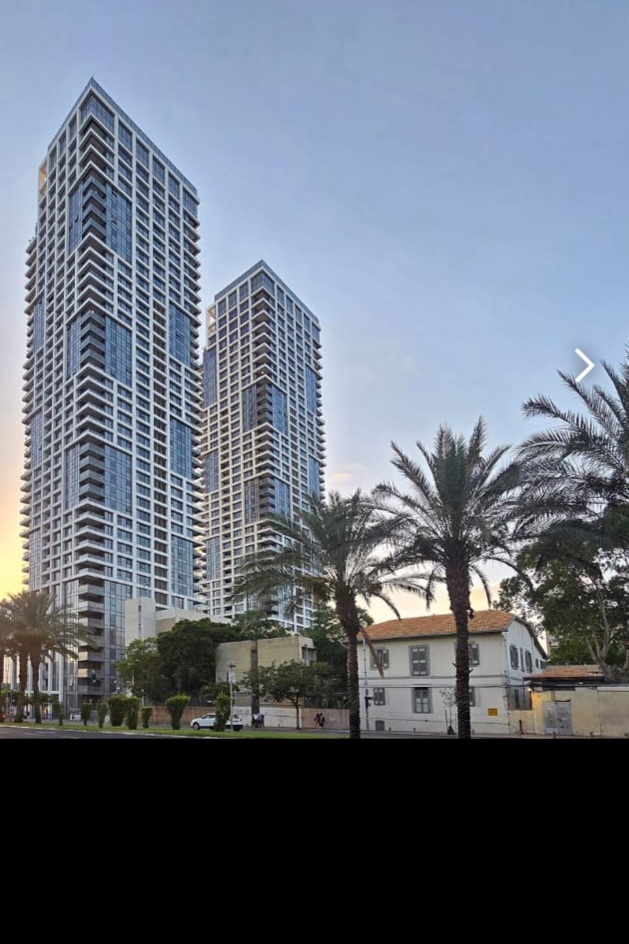
Building structural design
Private
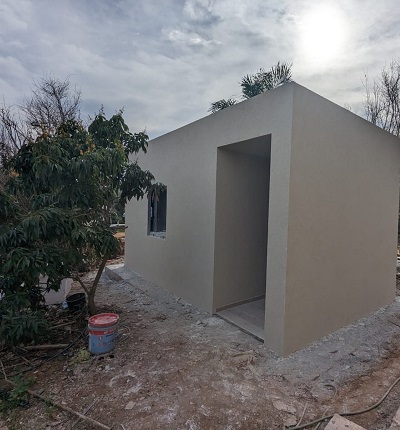
Shelter approval and design
Private
Shelter approval and design
Private
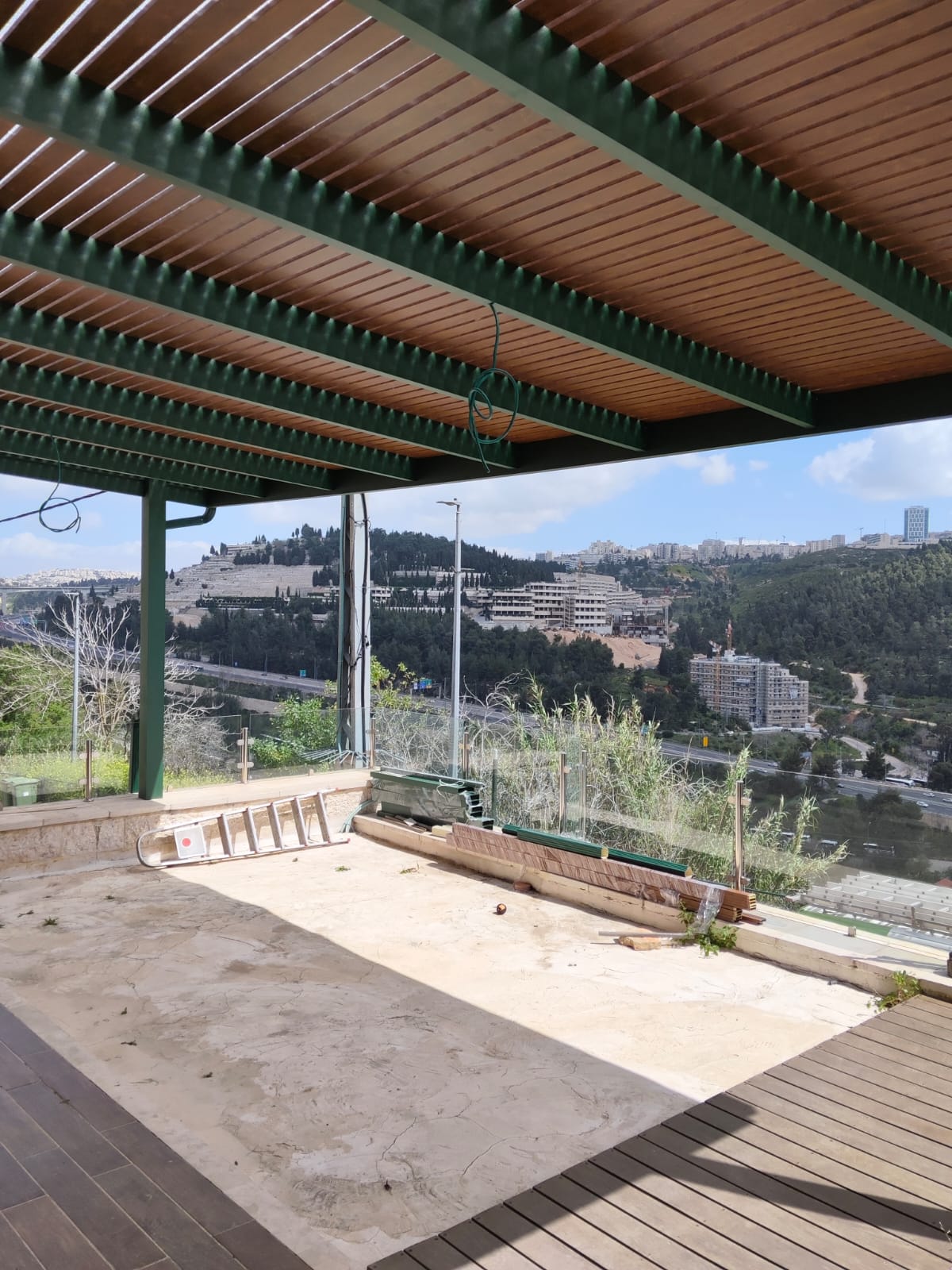
Pergola structural design
Private/Commercial
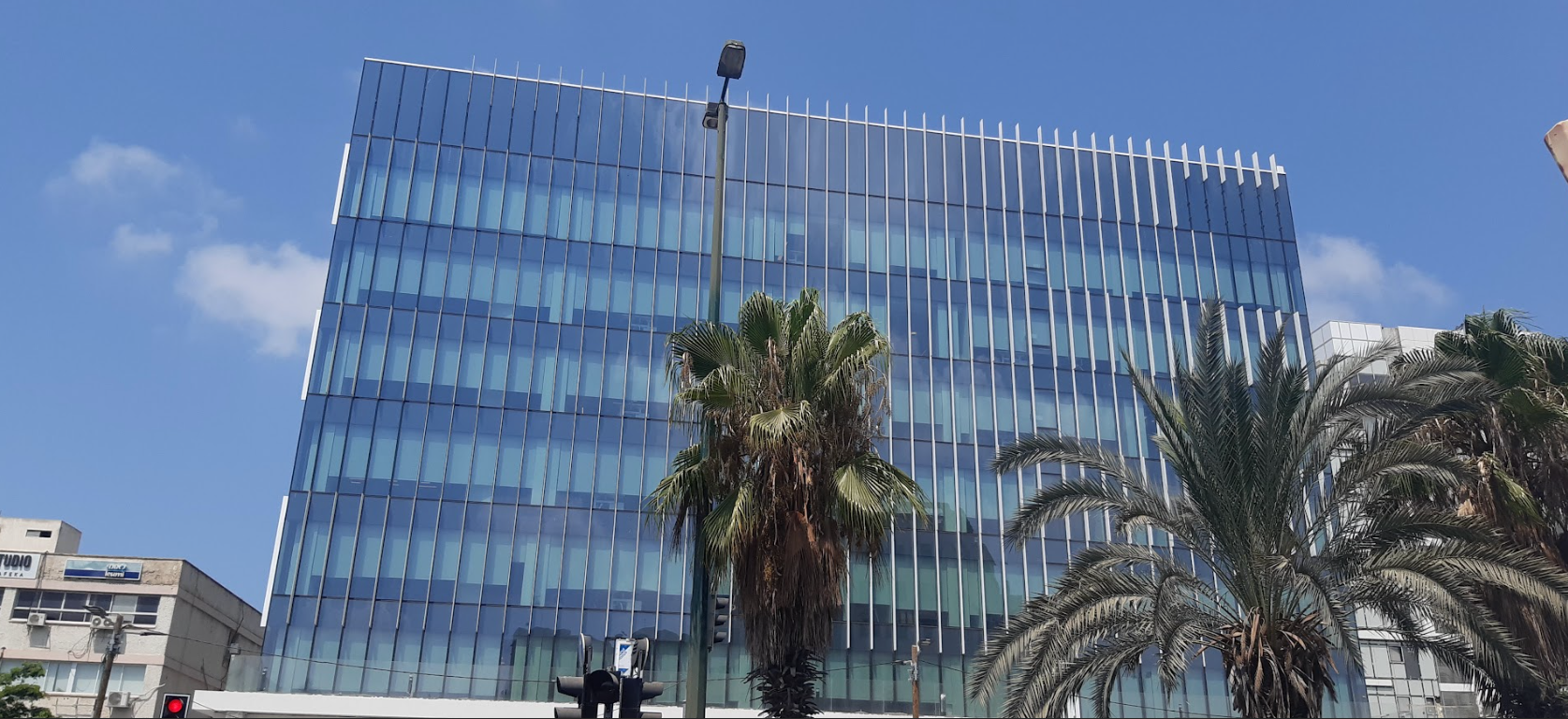
Lead engineer – inspections
Private/Commercial
Lead engineer – inspections
Private/Commercial
Lead engineer – inspections
Private/Commercial
Lead engineer – inspections
Private
Shelter approval and design
Private
Shelter approval and design
Commercial
Finishing works engineer – The Jaffa Hotel, Fattal
Commercial
Residential project management
Private
In-ground pool design
Private
In-ground pool design
Private
Jacuzzi structure design
Private
In-ground pool design
Private/Commercial
Hazardous building assessment
Commercial
Structural Engineer in Charge – Shaharut Hotel
Private
Engineering design for a building
What Our Clients Say
Excellent experience - I was satisfied with everything! We hired B.R.N. Engineering for a structural inspection of a residential building, focusing on cracks and ensuring the building was safe. The engineer was patient, attentive, and fully understood what was needed. He arrived on time, thoroughly examined the building and apartments, and delivered a professional report
Professional, efficient, courteous, and helpful. The service was for obtaining approval for pool installation.
They were an amazing and professional team. They received all the building plans and worked in a very organized and professional manner! Outstanding service, and the most reasonable price I found - and I had checked several places. Thank you so much for everything. Truly excellent and professional service with a personal touch. I definitely recommend them. The service was for obtaining a structural engineer’s approval to install a rooftop pool.
Everything was perfect! The certificate regarding the structural stability of the building was issued promptly. Service: Structural stability inspection.
I was very pleased - everything was absolutely excellent! The service was for providing a professional opinion on the repair of cracks in building columns and beams.
Quick, courteous, efficient, and professional. Highly recommended! The service was for providing a structural opinion for room reinforcement.
He was excellent. The service was outstanding. I was impressed by his professional approach - it’s clear he knows his field! The service was for submitting an engineering assessment for a residential balcony.
Michael inspected the apartment and gave his professional opinion regarding wall removal. He was excellent! Service: Structural engineering assessment.
We organized an installation in support of the hostages, and he volunteered his help entirely free of charge! They were truly amazing - arrived whenever we needed them at the site and provided the necessary approvals. Service: Issuing approvals for an existing structure.
He’s a wonderful person who provided exceptional service - truly one of a kind. I wholeheartedly and warmly recommend him. Service: Consulting on the redesign of a private home.
Michael provided efficient, focused, and professional service. Service: Engineering inspection of balcony stability.
Excellent experience! I was truly satisfied with everything. The service was friendly, fast, and professional. Clear and understandable answers were provided. Highly recommended. Service: Inspection of supporting columns in an industrial structure and a professional opinion on structural stability and the potential replacement of steel beams.
Outstanding! Truly exceptional in their professionalism, flexibility, and responsiveness at any time and place. Really special people. Service: Issuing approvals, supervision by a certified engineer, and support during execution stages.
They were very good - I would gladly work with them again in the future. Service: Construction supervision and issuance of approvals.
I received excellent service from Michael. Before arriving, I sent him photos, and he already provided a preliminary opinion based on them. He came to the site within a day and sent the written approval the very next day. Service: Issuing approval for wall removal in a private home.
A structural stability inspection is an engineering examination of the building’s framework – foundations, columns, beams and load-bearing walls – intended to verify that the building safely withstands its loads and has no structural failures.
What is a dangerous building?
A dangerous building is one where there is a concern for the stability or collapse of part of it, due to structural cracks, settlement, corrosion of the reinforcement steel or deterioration of the concrete. Only a structural engineer can determine whether a building is defined as dangerous and what treatment is required.
When is a structural stability inspection required?
Before buying an older property, before a renovation or an addition, as a condition for a building permit or business license, and in any case of cracks, settlement or damage to the building (blast, fire or earthquake).
Does every crack in a wall indicate a stability problem?
No. Most cracks are superficial and result from plaster or paint, but diagonal cracks, wide cracks in columns and beams, or cracks that reappear after repair may indicate a structural failure that requires inspection.
What does settlement in a floor or structure mean?
Settlement or a new slope in a floor, beams or door frames may indicate movement of the foundations or the soil. This is a warning sign that requires a prompt stability inspection by a structural engineer.
Who is qualified to perform a structural stability inspection?
A stability inspection must be performed by a licensed structural engineer. Only an opinion and report signed by such an engineer are accepted by the authorities, insurance companies and the courts.
The municipality requires a stability certificate - what should I do?
Many authorities require a structural stability certificate signed by a structural engineer as a condition for a building permit, a business license or as part of handling a dangerous building. We issue a report and certificate in the format the authority requires and accompany you until approval is granted.
How long does a structural (skeleton) inspection take?
The on-site visual inspection usually takes a few hours, depending on the size of the building. Producing the full engineering report depends on the scope of the inspection and on the need for external laboratory tests.
What does a structural stability report include and how long is it valid?
The report includes a description of the current condition, a risk assessment, recommendations for strengthening or repair, and the signature of a licensed engineer. Its validity depends on the condition of the building and any changes it undergoes – after a renovation, an addition or damage, a renewed inspection is recommended.
How much does a structural stability inspection cost and how do I order one?
The cost of the inspection is determined by the type of building, its size and the required scope of the inspection. For a quote and to schedule an inspection, call 03-563-0000 or leave your details and we will get back to you.
Do you perform the laboratory tests yourselves?
The stability inspection we perform is a visual engineering inspection of the structural framework. When laboratory tests are required (concrete, steel or soil samples) they are carried out by an accredited external laboratory with dedicated equipment. We study and interpret the report we receive and provide you with a professional response as needed.