
Installing a private swimming pool is not merely a design feature or a renovation project, it is a structural intervention that adds a significant load to the building’s structural framework. Therefore, whenever a pool is added on a balcony, rooftop, or above an existing built space, a structural engineer’s approval is required.
Just as a structural engineer’s approval is mandatory before renovations involving wall demolition, opening structural elements, or altering load-bearing components, a swimming pool installation likewise requires a comprehensive professional engineering assessment, first and foremost for your safety.
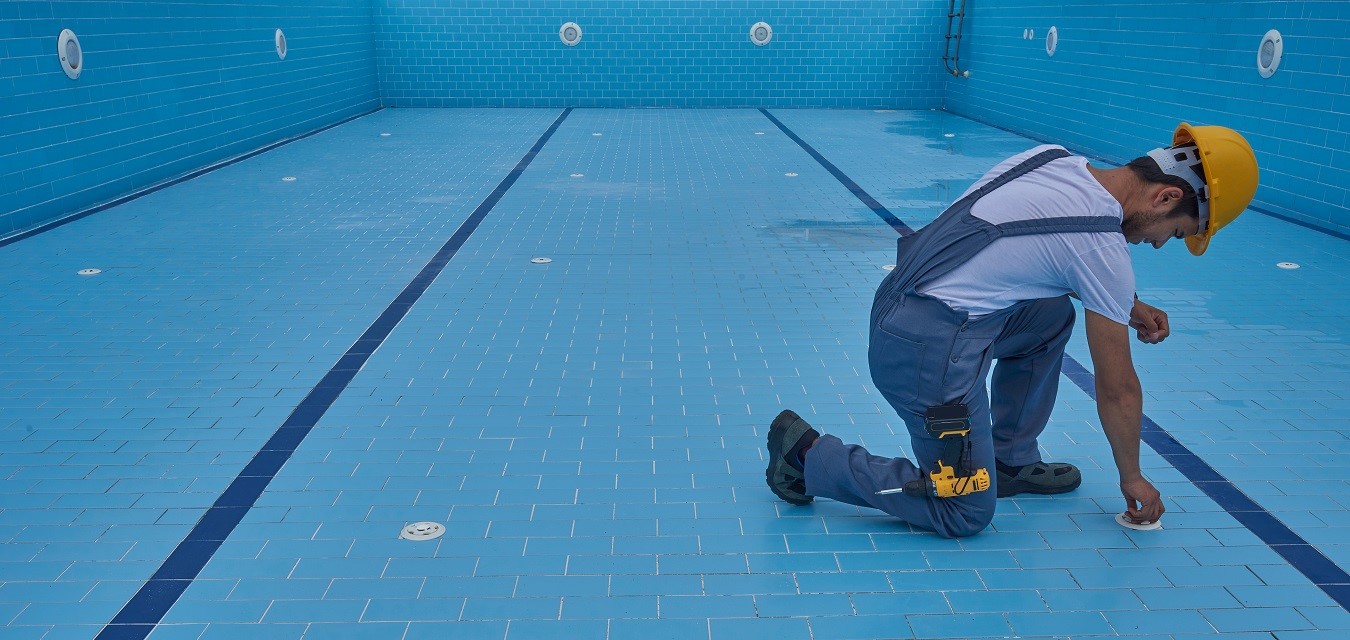
The first step in the process is understanding that one cubic meter of water weighs approximately one metric ton. An average swimming pool can contain dozens of cubic meters of water, meaning dozens of tons, added on top of the structure’s existing loads.
This is where the role of a civil engineer, structural engineer, becomes critical. Among other responsibilities, the structural engineer will:
If structural limitations are identified, reinforcement solutions can be designed and implemented to strengthen the structural framework, thereby enabling the addition of greater loads in a safe and controlled manner.
Before adding any structural load, whether it involves renovations, adding a safe room (Mamad), installing a heavy pergola, or constructing a swimming pool, it is crucial to first evaluate the condition of the existing structural framework.
A structural engineer will conduct a comprehensive assessment that includes:
The objective is clear: to prevent hazardous situations such as structural settlement, progressive cracking, compromised stability, or, in extreme cases, partial or total collapse.

When dealing with a permanent swimming pool as part of a renovation project or new construction, a preliminary approval is not enough. A complete load calculation in accordance with the relevant standards is required, along with the design of retaining walls and pool walls, foundation adjustments if necessary, preparation of detailed execution plans for the contractor, and coordination with the architect or interior designer within the overall structural layout and design framework.
In projects where the pool is integrated into a broader renovation process, coordination between the civil engineer and the architect is critical and should take place at the early stages.
The architect is responsible for spatial planning and design, while the structural engineer (constructor) is responsible for the safety and stability of the building. Proper and intelligent integration between these functions from the earliest stages of the project will ensure, as property owners, maximum success, minimal unnecessary expenses, and a balanced combination of aesthetics, functionality, and safety.
The process consists of several clear stages:
In certain cases, if existing deficiencies are identified, such as significant cracks or signs of settlement, a recommendation will be made to address these issues before adding the pool. After repairs are completed, the structural engineer will return to conduct a thorough follow-up inspection and verify that the previously noted construction defects have been properly resolved.
A jacuzzi has a smaller volume but creates a more concentrated load at a single point.
In contrast, a swimming pool generates a broader load distributed over a larger surface area.
In both cases, when the installation is located on a built structural element, load calculations and structural safety assessments are required prior to installation.
Michael Langer, Civil Engineer (Certified Structural Engineer), a graduate of NYU in New York with a major in Civil Engineering. He brings extensive experience from a wide range of projects in Israel and internationally.
The combination of advanced theoretical knowledge and hands-on practical experience enables the delivery of precise, safe, and practical engineering solutions.
Considering Adding a New Swimming Pool?
Contact B.R.N. Engineering or call us at 050-678-5187
We will be happy to assist you!
Yes. Any renovation that involves adding additional load to a structure requires a professional engineering assessment.
By calculating the pool’s volume in cubic meters (m³) and converting it to weight, along with additional loads.
There is a risk of cracks, settlement, structural failure, and other potentially hazardous conditions.
Only after a structural assessment and an evaluation of the building’s structural system in practice.
Yes, especially in projects where the pool is part of an overall planning and design process.
You may also be interested in: Developer-Side Quality Control | Structural Stability Assessment | View B.R.N. Engineering Projects