
Structural Engineer Approval for Jacuzzi: A Guide

Installing a jacuzzi at home has become one of the most popular upgrades, whether on a rooftop, a balcony, or in a private garden.
But before you start dreaming about luxurious evenings and hours of relaxation, there’s one essential fact to understand: Placing a jacuzzi is an engineering task in every sense and requires a professional inspection by a structural engineer.
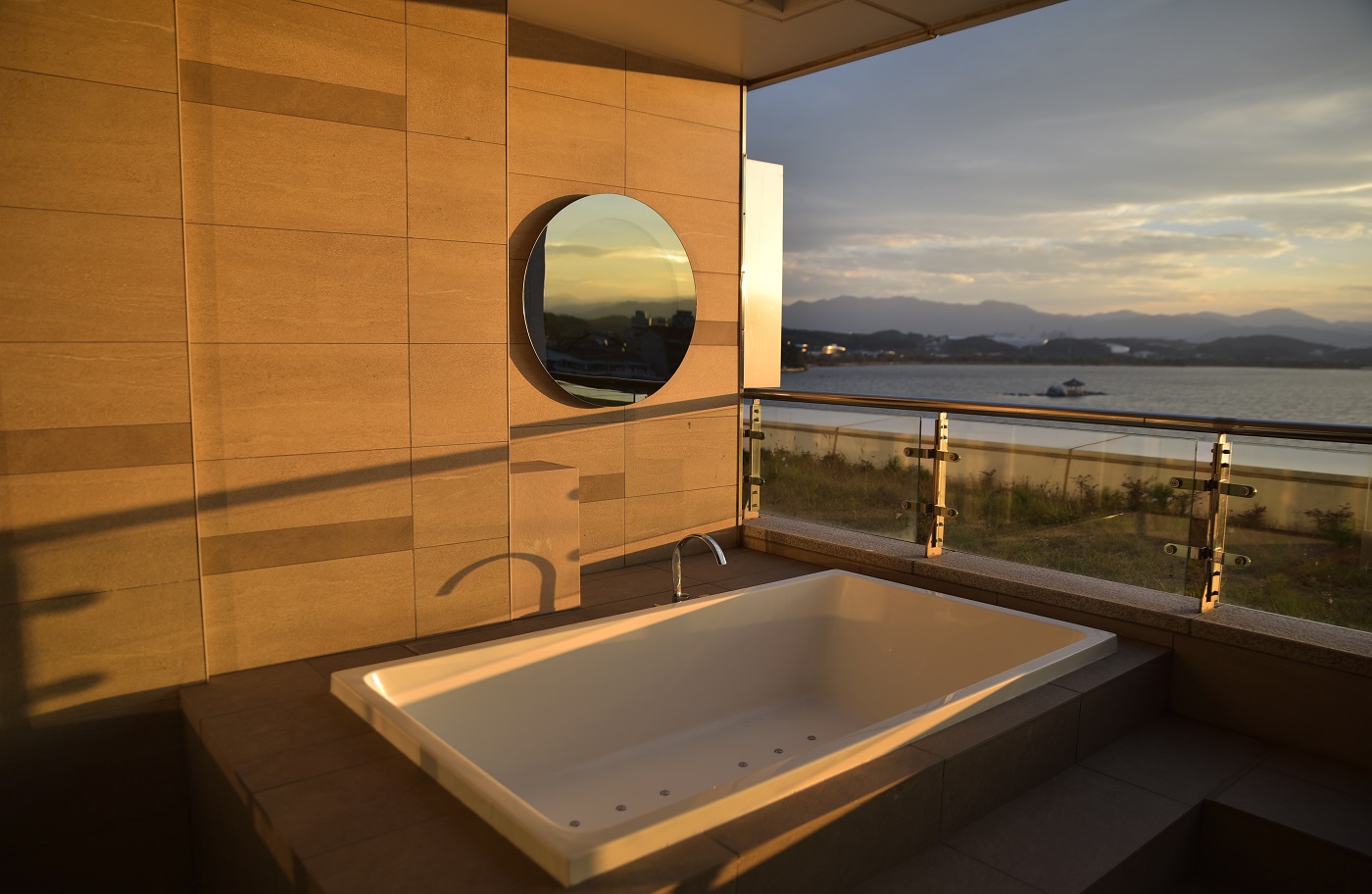
גקוזי על גג עם מעקה תקני של מעל 105 סנטימטר - תמונה להמחשה - ברנ הנדסה

We’re talking about a heavy structure filled with water, exerting dynamic loads on the floor and the building’s structural frame.
Contrary to popular belief, even if the jacuzzi is labeled as “portable,” “inflatable,” or not permanently fixed, the structure may still not have been designed to bear its weight, and that can pose a serious safety hazard.

Why Is a Structural Engineer’s Approval Required for a Jacuzzi?

As mentioned, there are significant safety concerns, both for those using the jacuzzi and for neighbors below (if applicable). Here’s a detailed breakdown:

  • Extremely High Loads: A filled jacuzzi can weigh several hundred kilograms, or even more than a ton, depending on its volume, the number of users, and the water movement inside.
  • The structural engineer performs a range of critical checks, including:
    • Calculating water loads
    • Assessing dynamic loads (people moving inside the jacuzzi)
    • Verifying the load-bearing capacity of the floor, balcony, or roof
    • Identifying structural weaknesses that may lead to collapse

Without this inspection, there’s a real danger of structural sagging, cracking, or even collapse.
  • Safety and Responsibility: The structural engineer’s approval confirms that the building is stable and that the addition or modification does not compromise the safety of the residents or neighbors. In effect, the engineer certifies that the structure remains sound even after the jacuzzi is installed, and that no adverse impact has been caused to the building’s framework.
  • Legal Requirements and Building Regulations: It’s important to understand:
    • A permanent jacuzzi with foundations requires a building permit.
    • A non-permanent jacuzzi often does not require a permit, but still requires a structural load inspection and formal approval, especially when installed on a rooftop, balcony, or elevated surface.
    • Note: Even the preparation of a jacuzzi base, such as concrete work, steel reinforcements, railings, or drainage, may require a permit, depending on the location and municipal regulations.
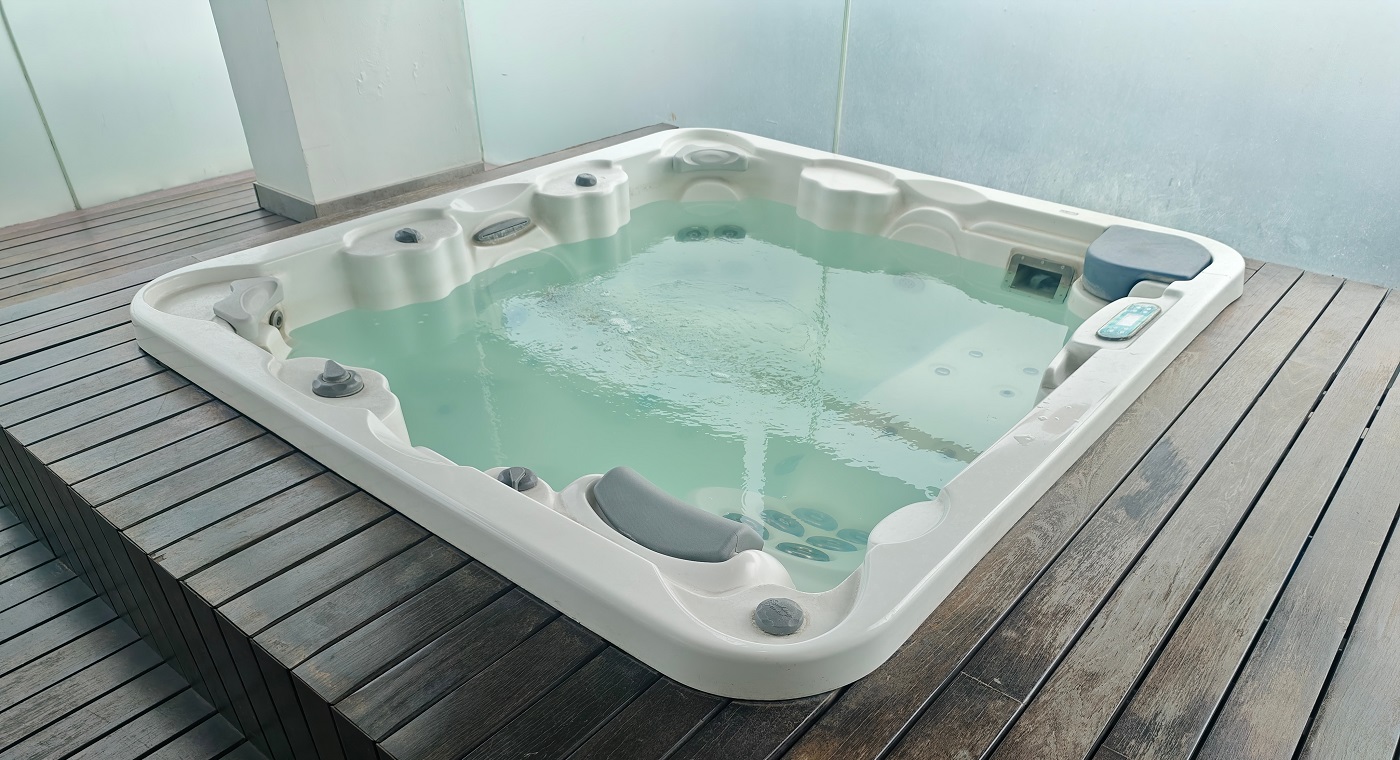
בטיחות בהתקנת גקוזי - ב.ר.נ. הנדסה - תמונה להמחשה

Does Every Jacuzzi Installation Require Engineer Approval?

The short answer is: No. However, even when a building permit is not required, there is still a professional obligation to ensure:

  • The weight does not exceed the floor’s structural capacity
  • There’s no risk of cracking or subsidence
  • Beams and columns are not overloaded
  • The reinforced foundation allows for safe and long-term use

At B.R.N. Engineering, we conduct precise engineering calculations that help you make the right decision and ensure a safe and compliant installation.

What About Garden Jacuzzis?

A garden jacuzzi is often seen as the “simplest to install”, but even in this case, certain approvals and conditions must be met:

  • Electrical connection must be carried out by a licensed electrician
  • A proper drainage system is required
  • A stable base must be installed to prevent ground sinking or shifting

In some cases, a building permit may still be required, depending on the jacuzzi’s height, plumbing connections, infrastructure, and anchoring to the ground

When Is a Building Permit Required for a Jacuzzi?

You will typically need a permit if:

  • The jacuzzi is permanently installed with foundations
  • It is placed on a platform higher than 60 cm
  • The installation alters the structural frame of the building
  • It involves fixed plumbing or complex drainage systems
  • It is part of a construction addition (such as a new balcony, room, etc.)

Note: Inflatable or temporary jacuzzis are usually exempt from permits, but as mentioned earlier, it is still highly recommended to obtain structural engineer approval for load capacity and safety.

ב.ר.נ. הנדסה

Balconies in Israel Are Often Not Designed for the Weight of a Full Jacuzzi

Many balconies in Israel were not originally built to withstand the load of a water-filled jacuzzi.
Factors such as older buildings, moisture damage, rusted reinforcement bars, worn tiles, or weakened beams can pose significant structural risks.

At B.R.N. Engineering, a certified structural engineer performs a thorough inspection that includes:

  • Examination of beams and columns
  • Evaluation of load-bearing capacity
  • Inspection of railing connections
  • Assessment of moisture damage or wear that could weaken the structure

At the end of the process, the engineer issues a formal approval for jacuzzi installation on the balcony, along with recommendations for repairs, if needed.