
The severe tragedy in Beit Shemesh yesterday, in which lives were lost following a direct strike and structural collapse, has left us with deep sorrow and a profound sense of helplessness in the face of reality. Our hearts are with the families who lost their loved ones, and we pray for the full recovery of the injured.
Especially in moments of pain, it is important to speak professionally. Not to preach, but to help people understand what truly protects them, and what may create a false sense of security. In an era of heavy barrages and evolving threats, particularly in light of recent regional developments and Operation “Roaring Lion,” the equation is clear: effective protection requires precise structural engineering design, proper execution, and periodic professional inspection.
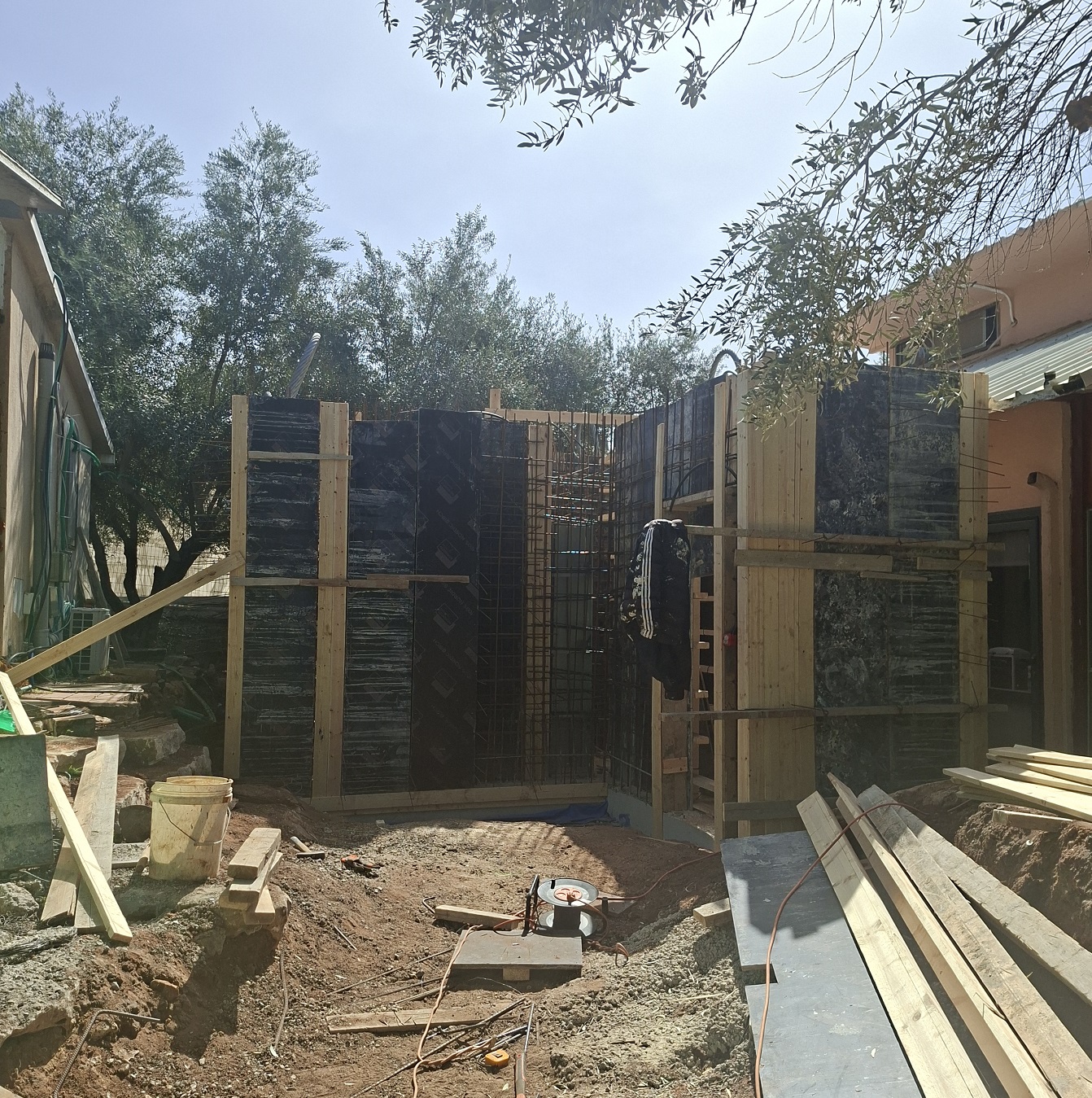
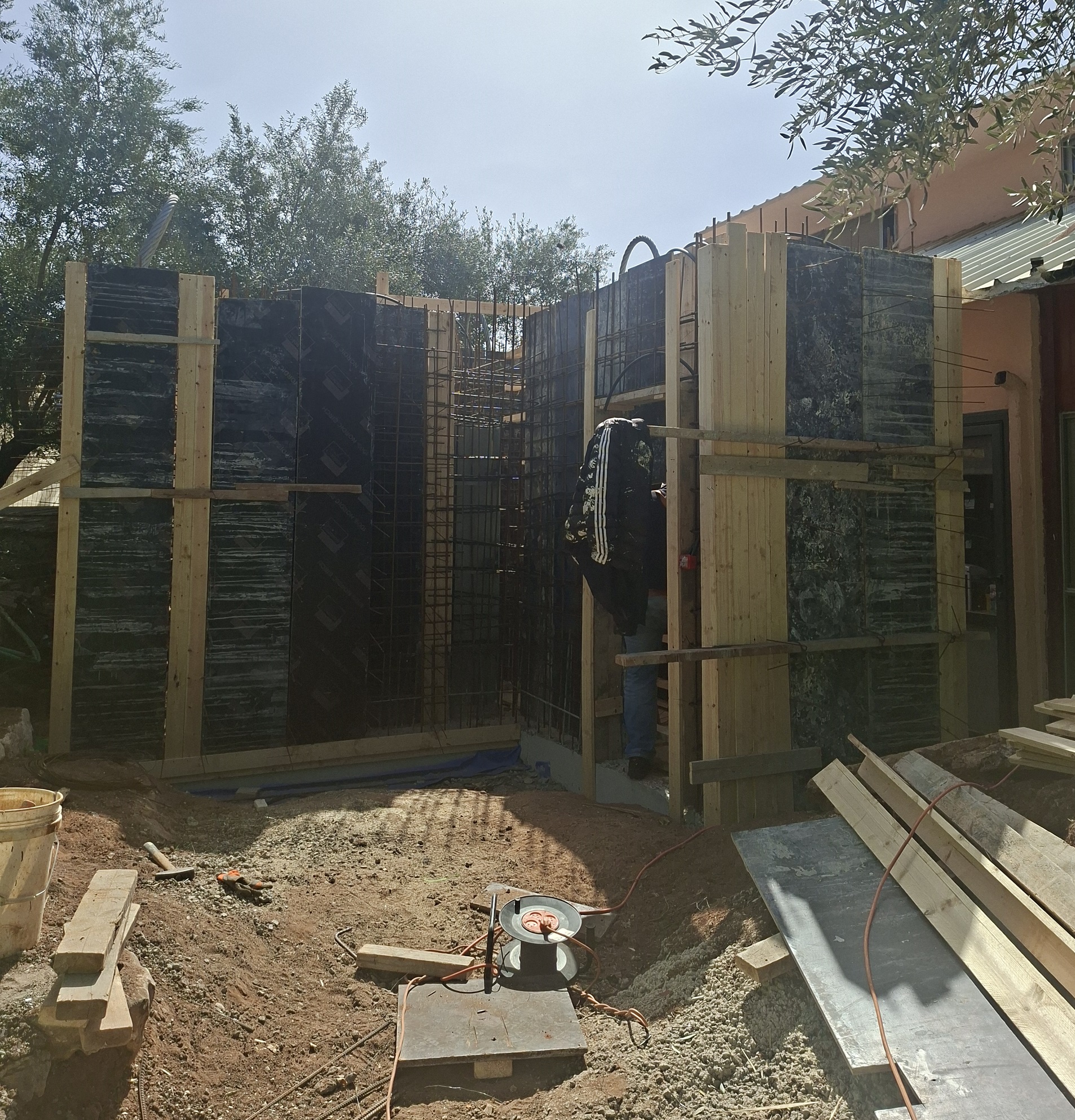
A Mamad (Residential Protected Space) is a fully structural component of a building. It is not simply “a room with a heavy door,” but a reinforced concrete protective envelope designed to withstand blast pressure, shrapnel impact, and in certain scenarios, even partial structural collapse.
This means a Mamad must be part of an integrated engineering design: walls, ceiling slab, openings, ventilation systems, infrastructure penetrations, all designed and executed in accordance with Home Front Command guidelines and official planning specifications.
So when homeowners ask, “How do I know my safe room is truly safe?” the answer goes far beyond measuring wall thickness. One must understand what was built, how it was constructed, and what modifications may have occurred over the years.
In practice, several types of protective solutions exist in Israel. A Mamad is a “first-line” residential protection solution located within the apartment or house itself. A communal or public shelter can be effective, but it depends on accessibility, response time, and whether it is open, maintained, and ready for use.
This distinction becomes especially critical in older homes, particularly in long-established communities and rural areas (moshavim). Many houses built before Mamad construction became mandatory (following the Gulf War) simply do not include a safe room. Even today, some families must leave their homes and run to a distant shelter, a scenario that becomes highly problematic when warning times are short, and especially during nighttime hours.
In recent years, additional solutions have emerged, such as prefabricated/mobile safe rooms (manufactured off-site and installed by crane), as well as approved systems for upgrading the protection level of an existing room. These solutions may be appropriate in certain circumstances. However, it is important to state clearly and honestly: there is a significant difference between a cast-in-place reinforced concrete Mamad designed as part of the building envelope, and a “reinforcement upgrade” intended to improve the protection level of an existing room, particularly when facing high-intensity threats.
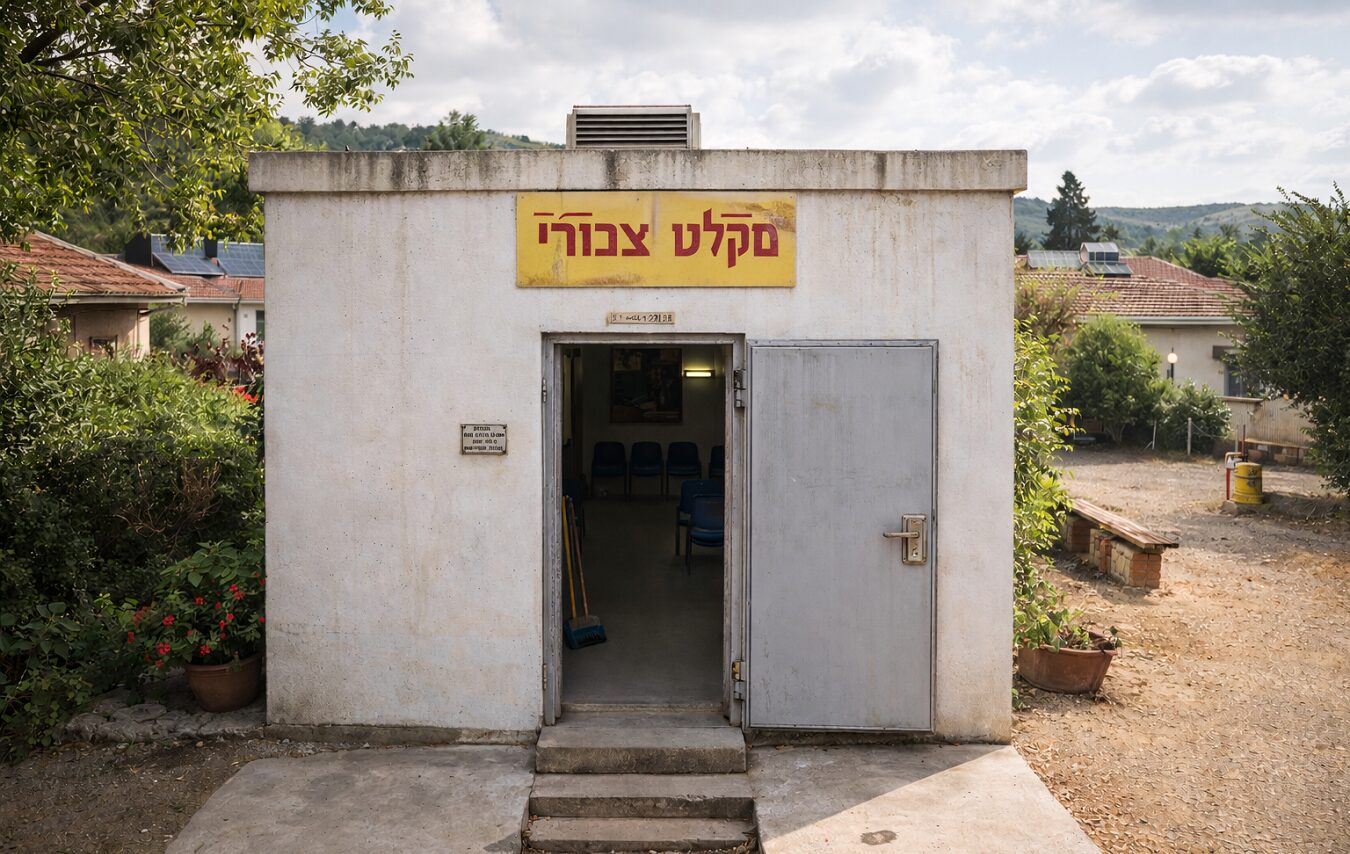
Is there a continuous, structurally sound protective envelope, or are there potential “weak points” that could become critical under real-world conditions?
For example: If the door or window is not approved and standard-compliant, or if it has been replaced with an improvised solution, that constitutes a failure point.
If drilling, chiseling, or unplanned openings have been introduced into the walls or ceiling, these may also create structural vulnerabilities.
Is there ongoing moisture infiltration that could compromise the reinforcing steel over time?
Even if everything appears “fine” to the naked eye, it is still essential to verify whether the thickness of the structural elements, the reinforcement detailing, and the connections to the existing structure meet the required standards.
From a planning perspective, there are baseline requirements outlined in Home Front Command regulations (such as minimum clear height, among others). However, the critical point is that compliance is context-dependent. Requirements may vary based on geographic location, building type, number of stories, foundation connections, and additional structural parameters.
One of the most common misconceptions is that adding a Mamad is simply another home extension. It is not. A safe room introduces additional loads, alters the internal force distribution within the structure, requires proper foundation design, and must integrate correctly with the existing building.
In simple terms: it must be structurally robust on its own, without compromising the integrity of what already exists.
From a practical standpoint, during wartime periods and under expedited regulatory frameworks, it may be possible in certain cases to add a safe room to houses up to two stories, subject to approval from the Home Front Command and specific planning relaxations issued as temporary emergency provisions. These provisions have reportedly been extended in accordance with the evolving situation; therefore, it is essential to verify the current validity and exact conditions before commencing any planning or construction work.
In any case, even when an “expedited track” exists, there is no such thing as expedited engineering at the expense of safety. Administrative processes may be shortened, engineering rigor cannot.
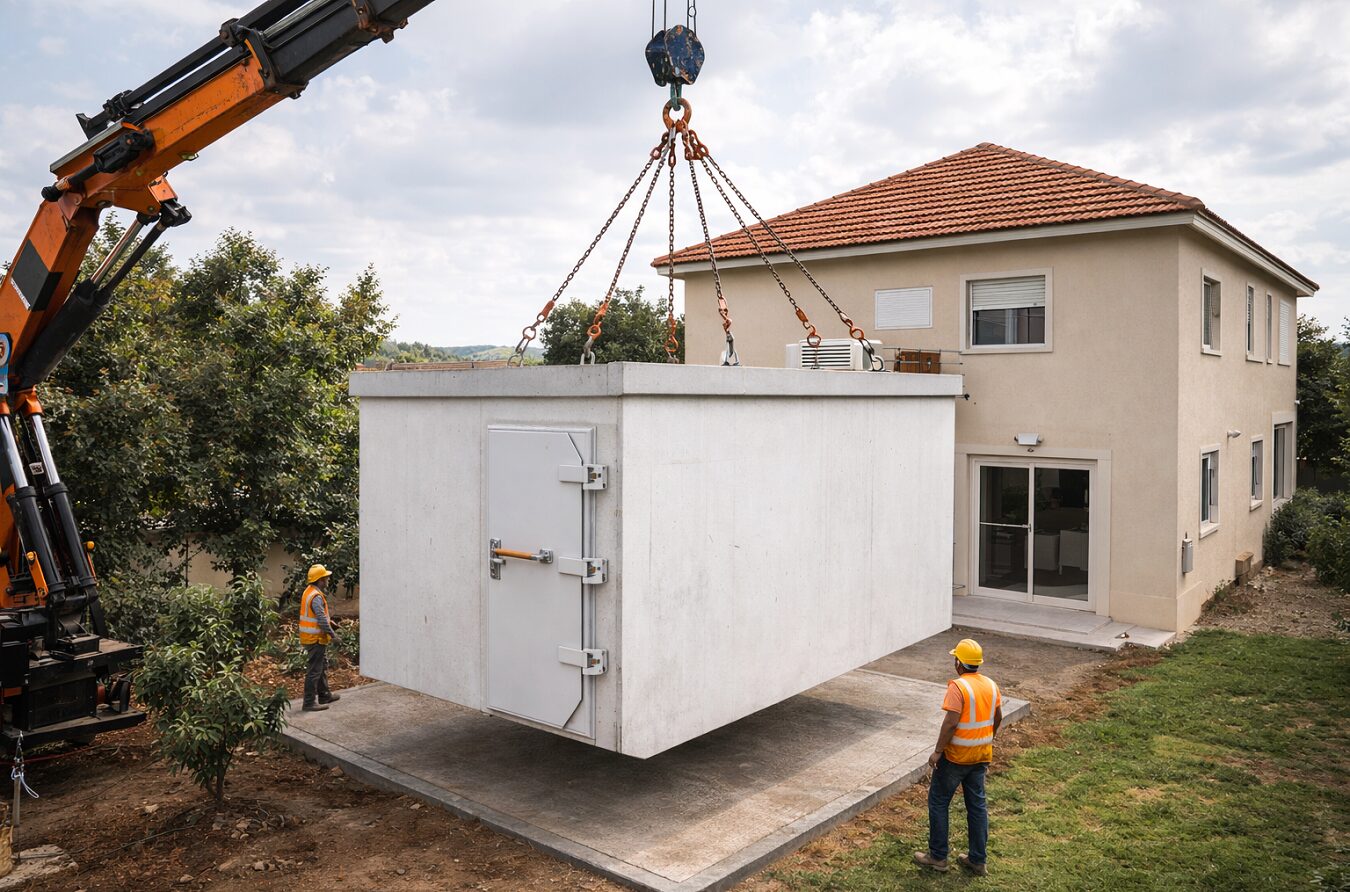
In detached private homes, a prefabricated (mobile) Mamad can offer a time-efficient solution, particularly when there is sufficient yard space and crane access for installation.
However, one fundamental rule always applies: this is not an off-the-shelf product that can simply be placed and forgotten.
Even a prefabricated unit requires proper engineering evaluation and planning. This includes verifying structural compatibility, infrastructure connections, foundation or slab integration, correct placement in relation to the existing house, and, most importantly working with an authorized professional and obtaining all required approvals.
A prefabricated solution may accelerate execution, but it does not eliminate the need for structural engineering.
A comprehensive engineering project that begins with structural assessment, continues through load calculations and structural design, proceeds with coordination and approvals with the Home Front Command, and concludes with professional supervision and quality control during execution.
After what occurred in Beit Shemesh, it is easy to say, “We need a safe room.”
The more accurate statement is this: you need a standard-compliant safe room, properly designed, properly constructed, accessible, and ready for emergency use.
If your home is older, if you live in a rural community without a Mamad, or if your existing safe room has not been inspected in years, now is the time to conduct a professional evaluation and understand exactly where you stand.
Leave your details for a callback or contact us at +972-3-563-0000
We will be glad to assist you.